If you’re wondering what the effects of climate change look like, the short answer is longer, hotter heat waves, rising seas, shifting rain and stressed ecosystems. They already touch your health, food and water.
This page sits within the site’s wider guide to climate change, and it focuses on what is already changing for people and nature.
| Key fact | Value |
|---|---|
| Rise in global average temperature, 1970 to 2023 | about 1.7°F |
| Rise in Earth’s average temperature during the 20th century | about 2°F |
| IPCC projected rise by the end of the century if no further action is taken (March 2023, medium confidence) | 5.8°F |
| People living in regions highly vulnerable to climate change, per the IPCC | more than 3 billion |
| Sea level rise listed for the United States by 2100 | 1-6.6 feet |
The figures come from an archived EPA page (snapshot of January 19, 2025) and the Caltech Science Exchange. They can change as new assessments appear, so check the source before you rely on them.
Why a small rise in temperature matters
A change of a degree or two sounds trivial, but the planet’s average is a blunt measure. Caltech notes that Earth’s average temperature rose about 2 degrees Fahrenheit during the 20th century, and that small shifts match enormous changes in the environment.
Its example is the end of the last ice age. The northeast United States was then covered by more than 3,000 feet of ice, yet average temperatures were only 5 to 9 degrees cooler than today.
More recent warming is also clear. The EPA’s archived page (a snapshot dated January 19, 2025) puts the rise in global average temperature at about 1.7°F between 1970 and 2023.
Because elevated carbon dioxide persists in the atmosphere for hundreds or thousands of years, the EPA page says the earth will keep warming in the coming decades. The IPCC’s March 2023 Synthesis Report forecast, with medium confidence, a rise of 5.8 degrees Fahrenheit by the end of the century if no further action is taken to mitigate global warming.
People often use the terms loosely, so the difference between global warming vs climate change is worth knowing before you read further.
Effects on weather, oceans and ice
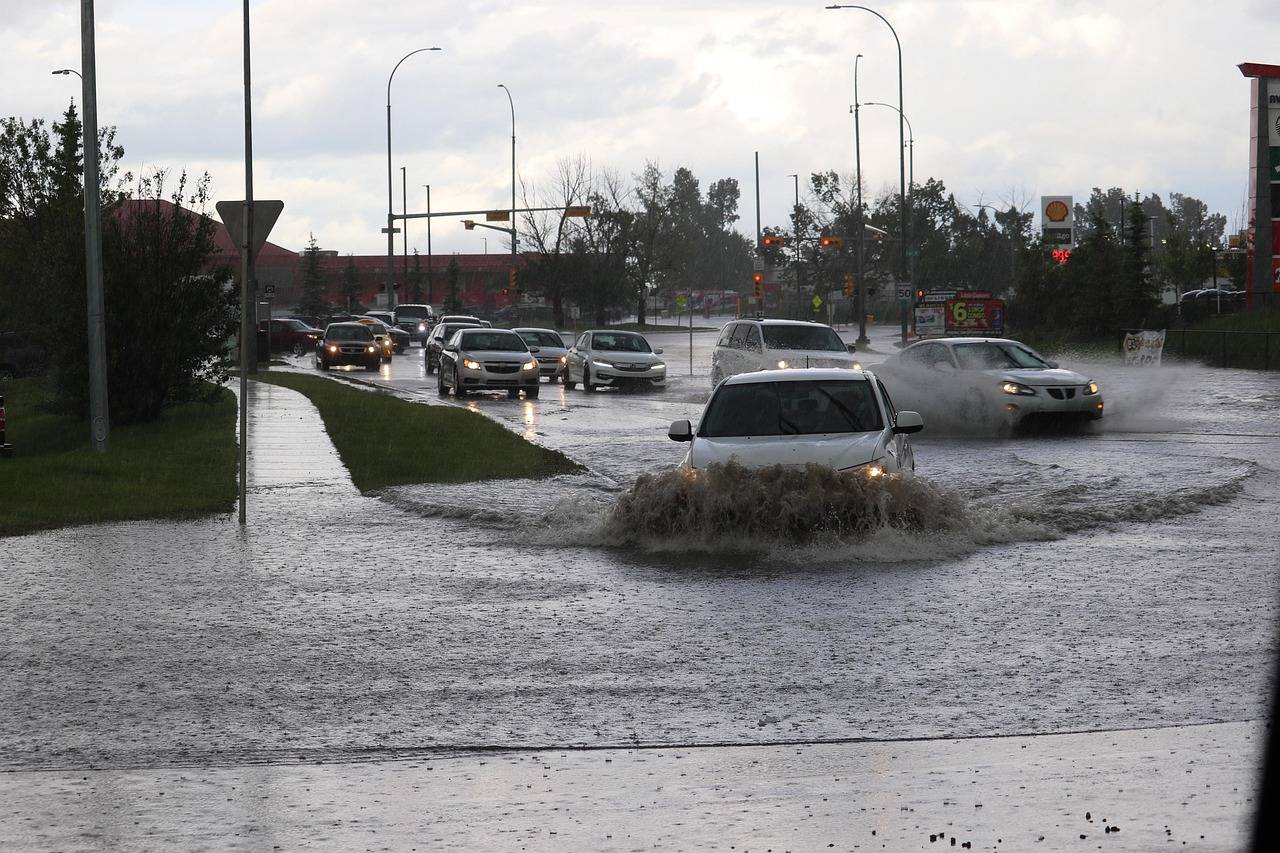
The EPA describes the visible signs as climate change impacts: real, observable changes in how the Earth behaves. Many places have seen changes in rainfall that bring more floods, droughts or intense rain, along with more frequent and severe heat waves.
The same EPA page lists changes in the oceans and ice:
- Oceans are warming and becoming more acidic.
- Ice caps are melting.
- Sea level is rising.
Caltech, drawing on US National Climate Assessment reports, lists long-term effects expected in the United States. Together they show how one driver, warming, spreads into many systems:
- Continued temperature rise and a lengthened frost-free season (and growing season).
- Changes in precipitation patterns.
- More droughts and heat waves.
- Stronger and more intense hurricanes.
- Sea level rise of 1-6.6 feet by 2100.
- An ice-free Arctic.
Coastlines feel the oceans’ changes first, which is why sea level rise gets its own detailed explanation. The EPA says rising seas threaten coastal communities and ecosystems.
Effects of climate change on water, food and health
Water is where many people notice climate effects first. An archived EPA page on international impacts says that with a 2.7°F rise in global mean temperature, annual average streamflow is projected to increase by 10-50% at high latitudes and in some wet tropical areas, but decrease by 10-50% in some dry mid-latitude and subtropical regions.
The same archive notes that snowpack is declining in many regions and glaciers are melting at unprecedented rates, which leaves less water for places that rely on spring and summer melt. Heavy storms add another problem, because large rainstorms can push pollutants into rivers and estuaries.
Food is exposed too. At lower latitudes, cereal crop yields are projected to decrease, and in some African countries wheat yields could decline by as much as 35% by 2050, according to that archived EPA page.
Fisheries are shifting as well. Increasing ocean temperatures have moved some marine species to cooler waters, and more than 40 million people rely on fish caught in the Lower Mekong delta, the largest freshwater fishery in the world, per the same archive.
Heat, disease and disasters
The EPA’s archived page says warmer temperatures raise how often heat waves happen, how intense they are and how long they last. These heat waves pose health risks, particularly for young children and the elderly.
Climate change can also affect health by worsening air and water quality, increasing the spread of certain diseases, and altering the frequency or intensity of extreme weather events.
Floods show the scale of what can happen. In August 2010, record monsoon rains flooded significant portions of Pakistan, leaving 20 percent of the country underwater, affecting about 20 million people and rendering six million homeless, according to the same international impacts page.
Money is affected as well. The EPA says more frequent and intense heat waves, droughts and floods can increase losses to property, cause costly disruptions to society and reduce the affordability of insurance.
Effects on ecosystems and wildlife
Nature responds to warming by moving and by changing its timing. As of the EPA’s January 19, 2025 snapshot, changing ecosystems influence the geographic ranges of many plant and animal species and the timing of their lifecycle events, such as migration and reproduction.
Some of these changes cannot be undone. Caltech reports that the IPCC, a United Nations organization that includes 195 member countries and thousands of independent scientific experts, says some harms from Earth’s changing climate are irreversible, such as species extinction.
Ecosystems also depend on the physical changes described above:
- Warmer, more acidic oceans change conditions for marine life.
- Shifts in rainfall and streamflow alter the water that rivers and wetlands receive.
- Melting ice and declining snowpack change habitats and the timing of meltwater.
The links between these pieces are why a change in one system often shows up in another.
Who is most at risk?
Climate change is happening globally, but the effects can differ locally. The EPA says certain sectors, regions and human populations are more vulnerable or face unique risks.
According to the IPCC, as reported by Caltech, more than 3 billion people live in regions highly vulnerable to climate change. Caltech adds that the parts of the world most threatened, including the Arctic, Africa, and Central and South America, have contributed the least to these conditions.
An archived EPA page names groups that are particularly sensitive to climate impacts:
- The elderly and the infirm.
- Children and pregnant women.
- Native and tribal groups.
- Low-income populations.
Dry places face particular pressure. That archive says semi-arid and arid areas, such as the Mediterranean, southern Africa and northeastern Brazil, are particularly vulnerable to the impacts of climate change on water supply.
Caltech also reports that, if no further action is taken, today’s children would be likely to experience a fivefold increase in extreme weather events such as floods, tropical cyclones and droughts by the time they reach their 80s.
How can the harm be reduced?
Cutting emissions and adapting both matter. Caltech reports the IPCC’s high-confidence finding that a 60 percent reduction of greenhouse gases by 2035 would noticeably slow down global warming.
Adaptation works alongside that. The EPA says it prepares us for some of the likely effects by reducing their impacts on ecosystems and people’s well-being.
Examples it gives include:
- Strengthening water conservation programs.
- Upgrading stormwater systems.
- Developing early warning systems for extreme heat events.
- Preparing for stronger storms through better emergency preparation and response strategies.
The EPA also cautions that it is difficult to predict the exact impacts, and that the climate we are accustomed to is no longer a reliable guide for what to expect in the future.
Frequently asked questions
What are the main effects of climate change?
Show answer
Sources cited here point to more frequent and severe heat waves, changes in rainfall, warming and more acidic oceans, melting ice, rising sea level and shifts in where species live. These changes in turn affect health, water, food and the economy.
Are the effects the same everywhere?
Show answer
No. The EPA says climate change is happening globally, but the effects can differ locally, and some regions and populations are more vulnerable than others.
Can the effects be reversed?
Show answer
Some cannot. Caltech reports that the IPCC counts species extinction among the irreversible harms, and the EPA says elevated carbon dioxide persists for hundreds or thousands of years. Cutting greenhouse gases can still slow further warming.
How much has the planet warmed?
Show answer
Caltech cites about 2 degrees Fahrenheit over the 20th century, while the EPA’s archived page reports a smaller recent figure for a shorter span. The two numbers cover different periods, so they are not meant to match.