Wondering where to begin with sustainable living tips? Start with the biggest levers: home energy, travel, food and waste. Small habits add up, and a few of them matter far more than the rest.
Sustainable living is one piece of the wider conversation about environmental issues, and your daily choices connect to all of it.
| Everyday habit | Estimated yearly saving |
|---|---|
| Cutting your food waste | Up to 300 kilograms of CO2e per year |
| Shifting from a mixed to a vegetarian diet | Up to 500 kilograms of CO2e per year |
| Switching home energy to renewable sources | Up to 1.5 tons of CO2e per year |
| Living car-free instead of using a car | Up to 2 tons of CO2e per year |
| Taking one less long-haul return flight | Up to almost 2 tons of CO2e |
These figures come from the United Nations “Actions for a healthy planet” page. They are upper-end estimates that can change, so check the source before you rely on them.
Why small habits add up
Your footprint depends heavily on where you live and how much you earn. The United Nations gives a world average of 6.6 tons of CO2 equivalent per person, and says the 10 per cent of people with the highest income account for nearly half of all emissions, according to its Actions for a healthy planet page.
That spread shows that your impact is shaped by a few big categories rather than by one-off gestures. Energy, transport, food and the things you buy are the places to look first.
A simple way to organise your effort is the Avoid-Shift-Improve approach described by Stanford’s Understand Energy hub. It has three steps:
- Avoid or reduce energy use and resource use, for example by unplugging electronics when you are not using them.
- Shift to lower-impact options, for example by walking, biking or taking public transport.
- Improve the efficiency of what you already do, for example by installing a smart thermostat.
You do not need to do everything at once. Pick one action, and if it works for you, add another; the guide on how to reduce your carbon footprint goes deeper on the same habits.
Cut energy use at home
Home energy is often the easiest place to start because most changes are quiet and permanent. The United Nations suggests switching to LED bulbs, using energy-efficient appliances, washing laundry in cold water and hanging clothes to dry instead of using a dryer, as set out in its list of home actions.
Stanford’s Decarbonize Your Life guide adds low-cost habits that suit renters and homeowners alike:
- Seal gaps around doors and windows with draft stoppers or weatherstripping.
- Open windows at night to cool your home, and close blinds or curtains on hot days.
- Unplug electronics, or use advanced power strips, to cut vampire loads.
- Only boil the water you need, and use a lid.
- Run dishwashers and laundry during off-peak times or when renewable energy is more available.
Bigger upgrades worth planning for
Better insulation, or replacing an oil or gas furnace with an electric heat pump, can reduce your carbon footprint by up to 900 kilograms of CO2e per year, according to the United Nations. Stanford adds that heat pumps can cut heating emissions by up to 75% compared with gas furnaces and are 3 to 4 times more efficient, and that they provide cooling too, in its home guide.
Water heating accounts for about 18% of household energy use, per the same Stanford guide, so using less hot water is a sensible habit. Most utilities offer free or low-cost energy audit services that can point out air leaks, poor insulation and inefficient appliances.
If you rent, the same guide suggests speaking with your landlord about upgrades, since they can mean lower energy bills and better indoor air quality.
Where your electricity comes from
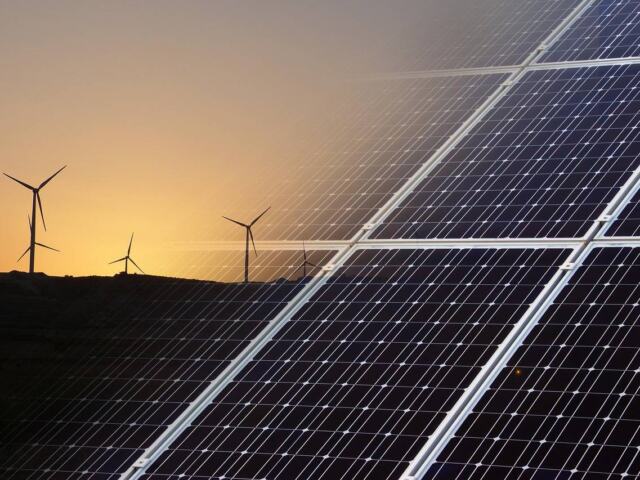
Ask your utility company whether your home energy comes from oil, coal or gas, and whether you can switch to wind or solar. The United Nations says moving a home from fossil-powered energy to renewable sources can reduce a carbon footprint by up to 1.5 tons of CO2e per year, as listed on its action page. Installing solar panels on your roof is another route if you own the building.
Is it better to drive less or switch cars?
Driving less usually beats changing what you drive. Walking, cycling, public transport and carpooling can save money, improve health and reduce air pollution while cutting emissions, according to World Environment Day’s guidance for individuals.
The United Nations estimates that living car-free can reduce your carbon footprint by up to 2 tons of CO2e per year compared with a lifestyle using a car. For longer distances it suggests a train or bus, and carpooling whenever possible.
If you do plan to buy a car, the same source says switching from a gasoline or diesel car to an electric vehicle can cut up to 2 tons of CO2e per year, while a hybrid can save up to 700 kilograms. It also warns that many electric cars still run on electricity produced from fossil fuels, and that batteries and engines require rare minerals with high environmental and social costs.
Flying less
Aircraft burn large amounts of fossil fuels, so the United Nations calls taking fewer flights one of the fastest ways to reduce your impact. It says one less long-haul return flight can cut up to almost 2 tons of CO2e, and suggests meeting virtually, taking a train or skipping the trip, in its travel advice.
Eat, buy and waste less
Food is a daily decision, which makes it a good place to build habits. The United Nations says eating more vegetables, fruits, whole grains, legumes, nuts and seeds, and less meat and dairy, can significantly lower your impact. Moving from a mixed to a vegetarian diet can reduce your carbon footprint by up to 500 kilograms of CO2e per year, or up to 900 kilograms for a vegan diet.
Wasting less food matters just as much. When food rots in a landfill it produces methane, a powerful greenhouse gas, and the United Nations estimates that cutting your food waste can reduce your footprint by up to 300 kilograms of CO2e per year, as noted on its action page.
- Plan meals and buy only what you need.
- Use what you buy before it spoils.
- Compost leftovers where you can.

Buy fewer things, and keep them longer
Everything you buy carries emissions from raw materials, manufacturing and shipping. Every kilogram of textiles produced generates about 17 kilograms of CO2e, the United Nations notes, so buying fewer new clothes and shopping second-hand both help.
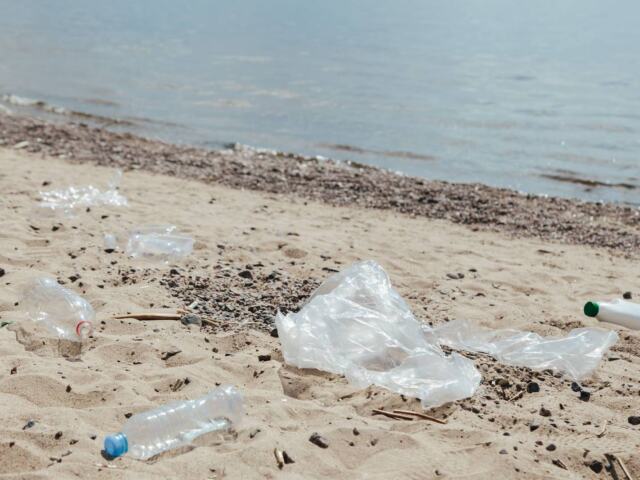
Plastics alone generated 1.8 billion metric tonnes of greenhouse gas emissions in 2019, which was 3.4 per cent of the global total, and less than 10 per cent is recycled, according to the same page. That makes reuse more powerful than recycling alone.
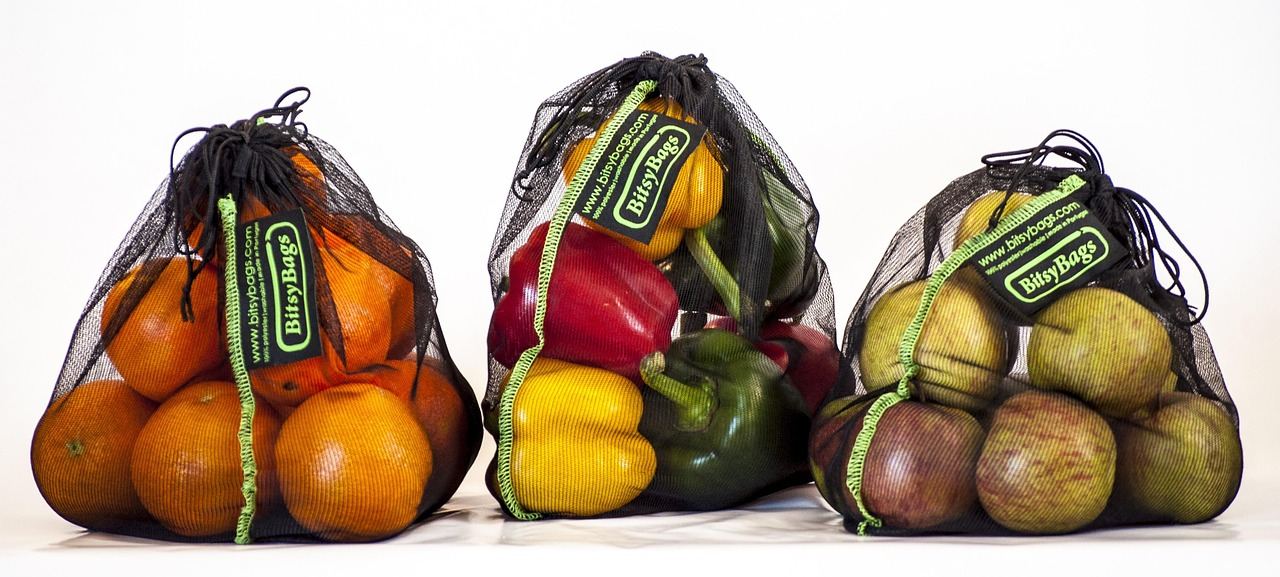
Repairing, reusing and choosing durable products can also help you save money and reduce waste, says World Environment Day. Before replacing something, ask whether it can be fixed.
Protect nature and use your voice
Sustainable living is not only about carbon. If you have a garden, balcony or even a single plant outside, the United Nations suggests checking for native species, because most insects will not eat non-native plants and birds and other species then lose a food source, as described in its nature advice.
Choices like this help slow biodiversity loss, even at a very small scale. Skip insecticides and other chemicals so that a shrub or tree can act as a real refuge.
Waste also harms ecosystems. People throw out 2 billion tons of trash every year, and about a third causes environmental harm, from choking water supplies to poisoning soil, according to the United Nations. Dispose of items properly and join local clean-ups of parks, rivers and beaches.
Money and conversation
Your spending and savings send signals too. The United Nations points out that pension funds may be supporting fossil fuels or deforestation, and it encourages you to choose companies committed to cutting emissions and waste.
Finally, talking to neighbours, colleagues, friends and family is one of the quickest ways to widen your impact. World Environment Day also notes that the businesses you support and the conversations you have can help drive wider change, as stated in its guide for individuals.
Frequently asked questions
What is the easiest sustainable habit to start with?
Show answer
Cutting food waste is a low-effort place to begin. The United Nations says it can reduce your carbon footprint by up to 300 kilograms of CO2e per year.
Is recycling enough?
Show answer
No. Less than 10 per cent of plastic is recycled, and discarded plastic can linger for hundreds of years, according to the United Nations. Buying fewer things and repairing what you own comes first.
Are electric cars always the greener choice?
Show answer
Not automatically. The United Nations says many electric cars still run on electricity produced from fossil fuels, and their batteries need rare minerals. In many countries they still cause significantly fewer greenhouse gas emissions than gas or diesel cars.
Can renters live sustainably too?
Show answer
Yes. Most of the low-cost habits, such as sealing drafts, unplugging electronics and running appliances off-peak, need no permission. For bigger upgrades, Stanford’s guide suggests speaking with your landlord about the benefits.