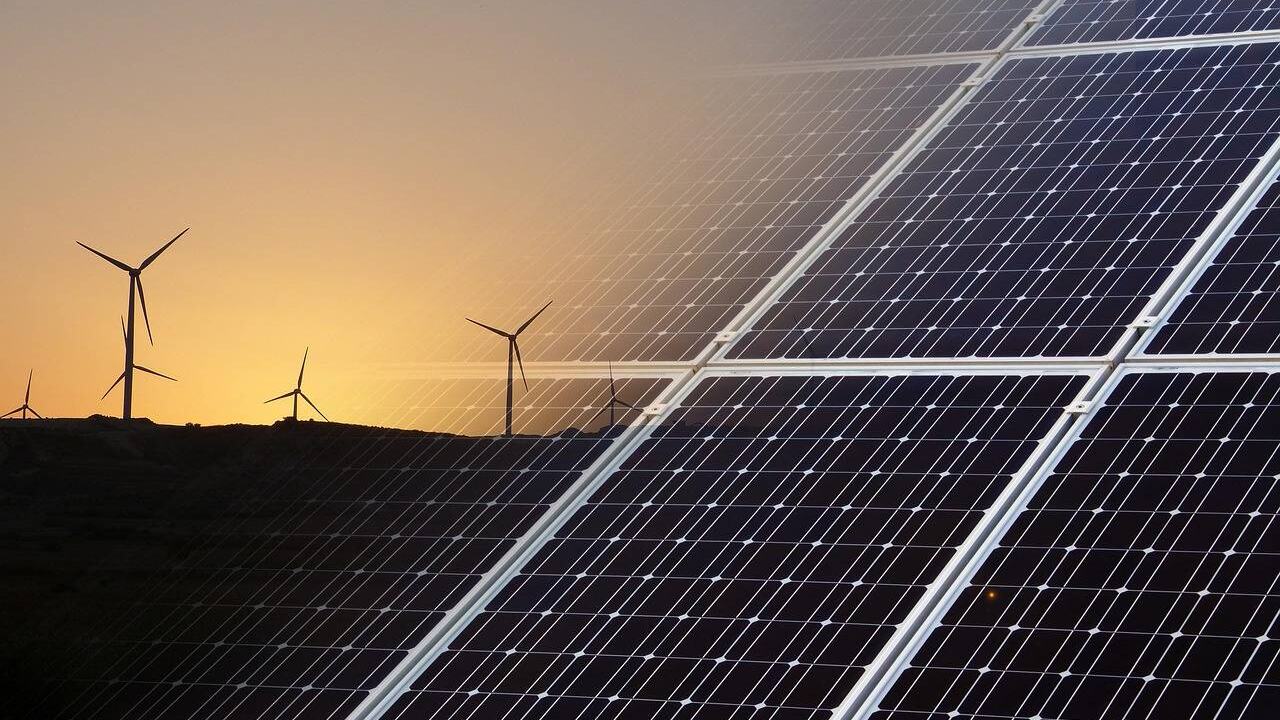
Trying to make sense of the types of renewable energy? There are five main ones: biomass, geothermal, hydropower, solar and wind, and each turns a natural source into heat or electricity in its own way.
Renewable power is one thread in the wider set of environmental issues, and knowing how each source works helps you weigh its strengths and limits.
| Item | Value |
|---|---|
| Main types of renewable energy | Five types (biomass, geothermal, hydropower, solar, wind) |
| Main types of biomass energy | Three types (biofuels, municipal solid waste and biogas, wood) |
| General types of hydropower | Two types (conventional and pumped-storage) |
| Basic categories of solar energy systems | Three categories (photovoltaic, solar thermal heating, solar thermal power plants) |
| Rank of wood among U.S. renewable sources | Second-largest |
The figures come from the U.S. Energy Information Administration’s Renewable energy explained: types and usage page. Classifications and rankings can change, so check the source before you rely on them.
The main types of renewable energy at a glance
The EIA sorts renewable energy into five main types. Each one draws on a different natural source, from sunlight to plant material.
- Solar: captures sunlight as heat or electricity.
- Wind: turbines convert moving air into electricity.
- Hydropower: taps the force of moving water.
- Geothermal: taps warmth stored in the ground.
- Biomass: burns or processes organic material such as wood and waste.
The sections below explain how each one works in plain terms. They also cover the practical limits that decide where each type makes sense.
No single type fits every place. As Nexamp’s guide puts it, renewable energy is an important part of creating a diverse energy mix and, as a result, a more resilient grid.
Solar energy: turning sunlight into heat and power
Solar energy systems use radiation from the sun to produce heat and electricity. The EIA describes three basic categories of system:
- Photovoltaic (PV) systems use solar-electric cells that convert solar radiation directly into electricity, for small devices or for solar power plants.
- Solar thermal heating systems use solar collectors to absorb solar radiation and heat water or air for space heating and water heating.
- Solar thermal power plants use concentrating solar collectors to focus the sun’s rays and heat a fluid to a high temperature for generating electricity.
Inside a photovoltaic panel, sunlight hits the surface and energizes the electrons inside. As those electrons move within the cell, they create an electrical current, according to Nexamp, a community solar provider.
The same guide flags upfront cost as the main drawback for homes, since residential solar can come at a steep price, even though it can lead to significant electricity cost savings over time. Access to direct sunlight also affects whether a roof or property can host panels. Those conditions matter less for large-scale solar farms.
Wind and hydropower: harnessing moving air and water
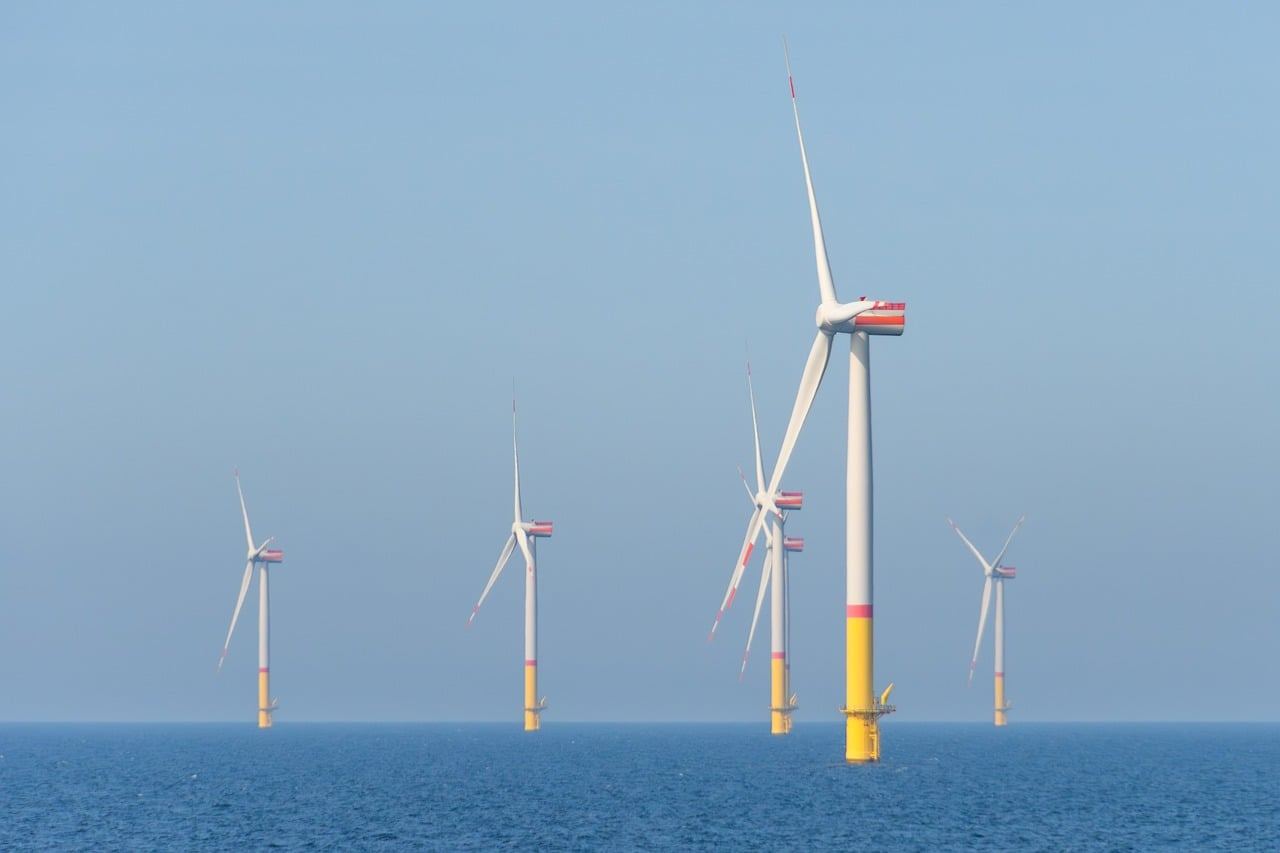
Wind energy is converted to electricity with wind turbines that are usually grouped together in wind farms. When the wind blows, the blades spin and that spinning drives a generator that produces electricity. The EIA notes that most U.S. windfarms are in the Central region of the country.
Once turbines are installed, the cost to operate them is low, according to Nexamp. The catch is variability: how much power a turbine produces depends on how much wind there is, which can create a need for energy storage as backup. Turbines can also have a notable visual and auditory impact on the communities around them.
Hydropower is electricity produced from flowing water. In a dam, water is redirected to flow through turbines, spinning them and activating a generator that converts that motion into electricity. The EIA adds that most hydropower produced in the United States comes from large facilities built by the federal government.
The EIA names two general types of hydropower:
- Conventional hydropower uses water in dams, or flowing in streams and rivers, to spin a turbine and generate electricity.
- Pumped-storage systems use and generate electricity by moving water between two reservoirs at different elevations.
Hydropower stands out for reliability, because the flow of water through dams can be controlled to keep energy production consistent with need. The trade-off is that construction can disrupt wildlife and natural habitats, and dams involve extensive, costly building work, as Nexamp explains.
Geothermal energy: heat from the earth
Geothermal energy is heat from the hot interior of the earth or near the earth’s surface. Heat from deep underground is used to generate electricity, according to the EIA. Developers dig wells to reach hot water and steam, and the steam propels turbines connected to generators, as Nexamp describes.
Closer to the surface, the near-constant temperature of the earth is used in geothermal heat pumps for heating and cooling buildings. This is a different job from power generation, because it moves heat rather than making electricity from steam.
A key advantage is that geothermal energy is not weather-dependent, which makes it a more reliable year-round option than solar or wind. The limits are location and cost: it is restricted to areas with significant accessible underground heat, and exploration and drilling often require a significant upfront investment.
Biomass: energy from plant material and waste
Biomass energy is produced from nonfossilized plant materials. The EIA lists three main types:
- Biofuels: ethanol, biodiesel, renewable diesel and other biofuels.
- Municipal solid waste and biogas: garbage burned in waste-to-energy plants, plus landfill gas.
- Wood: forestry and mill residues, fuel wood and wood pellets.
In the United States, biofuels are mostly used as transportation fuels, and ethanol accounts for the largest share of total U.S. biofuel consumption. Wood residues from forestry operations and from lumber, paper and furniture mills are used for industrial process heat and to generate electricity. Fuel wood and wood pellets heat and cook in homes and businesses.
Wood is the second-largest source of renewable energy in the United States, as of the EIA page cited here. Its date is not stated on the page, so treat the ranking as a snapshot and check the source for updates.
Garbage is the odd one out. Municipal solid waste contains biomass materials and also nonbiomass combustible materials, mainly plastics and other synthetic materials made from petroleum, which is one reason the plastic pollution effects covered on this site are worth reading alongside waste-to-energy debates. Many U.S. landfills also collect and burn biogas to produce electricity.
What are the trade-offs of each type?
Every source has strengths and limits, and the sources quoted here point to a few patterns. The list below sums up what they say.
- Solar: abundant sunlight, but a steep upfront cost for homes and a need for direct sunlight access.
- Wind: low operating cost once installed, but output depends on how much wind there is, and turbines can draw local opposition.
- Hydropower: controllable and reliable, but dam construction can disrupt wildlife and habitats.
- Geothermal: not weather-dependent, but limited to places with accessible underground heat and costly to explore and drill.
- Biomass: versatile as fuel, heat and power, though waste streams include plastics made from petroleum.
Because of these differences, a mix of sources tends to work better than any one alone. Energy choices also connect to other climate topics, such as ocean acidification, which this site covers separately.
Frequently asked questions
How many types of renewable energy are there?
Show answer
The U.S. Energy Information Administration lists five main types: biomass, geothermal, hydropower, solar and wind. Some of them split into sub-types, such as conventional and pumped-storage hydropower.
Which type does not depend on the weather?
Show answer
Geothermal energy is described as not weather-dependent, so it can run year-round. Hydropower is also described as controllable, since water flow through dams can be managed. Wind output, by contrast, depends on how much wind there is.
What is the difference between conventional and pumped-storage hydropower?
Show answer
The EIA describes conventional hydropower as the familiar kind, where falling or flowing water turns a turbine. Pumped-storage systems work differently: they both consume and produce electricity as water is moved between two reservoirs at different elevations.
Is burning garbage a type of renewable energy?
Show answer
The EIA places municipal solid waste under biomass energy, where it is burned in waste-to-energy plants to generate electricity. It notes that garbage also holds nonbiomass materials, mainly plastics, so only part of it is biogenic.