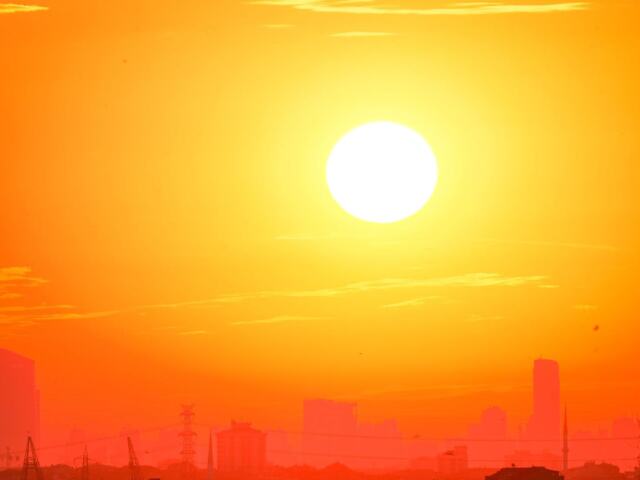
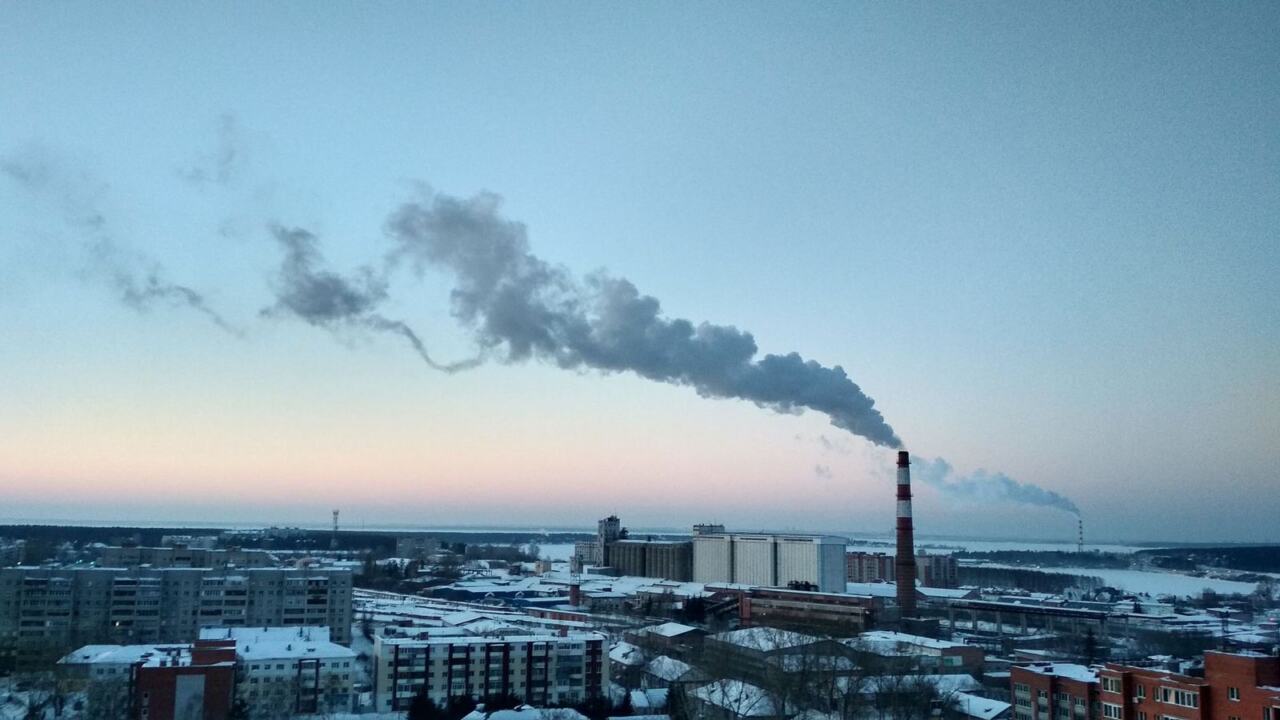
If you’re asking what causes climate change, here’s the short answer: burning fossil fuels and other human activity add heat-trapping gases to the air. The Sun doesn’t explain today’s warming.
This guide is part of our wider coverage of climate change, and it breaks the causes down in plain language.
| Item | Value |
|---|---|
| Atmospheric CO2 about 150 years ago | 280 ppm |
| Atmospheric CO2 in the Caltech Science Exchange figure | 414 ppm |
| Share of surface infrared heat absorbed by greenhouse gases | About 90% |
| Speed of current warming versus ice-age-recovery warming | Roughly 10 times faster |
| Actively publishing climate scientists who agree on a human cause | 97 percent or more |
| IPCC Synthesis Report on human-caused warming | March 2023 |
These figures come from NASA Science and the Caltech Science Exchange. Figures can change as new data arrive, so check the source before you rely on them.
How the greenhouse effect works
The greenhouse effect is essential to life on Earth. NASA explains that the problem is not the effect itself but the human-made emissions that trap heat and slow its loss to space. If you want a deeper walkthrough, our guide to the greenhouse effect covers the mechanism in more detail.
Here is the basic sequence, as NASA describes it:
- Energy arrives from the Sun, and about half of the light energy reaching the atmosphere passes through the air and clouds to the surface.
- The surface absorbs that energy and radiates it back out as infrared heat.
- Greenhouse gases absorb about 90% of this heat and re-radiate it, which slows heat loss to space.
Scientists have understood the basic physics for a long time. The heat-trapping nature of carbon dioxide and other gases was demonstrated in the mid-19th century.
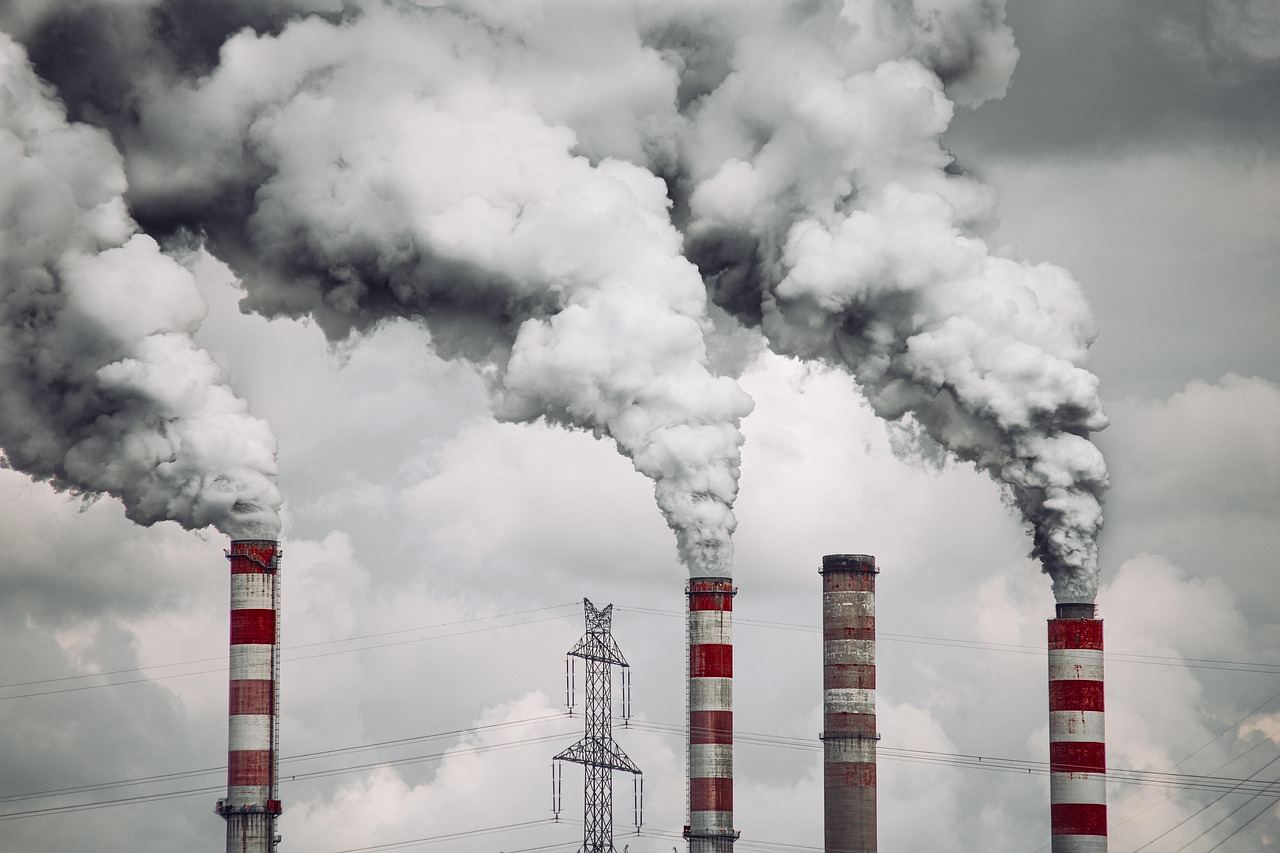
When more of these gases build up, more heat is held back. That extra trapped heat is what scientists attribute the warming trend to since the mid-20th century.
Which gases trap heat?
NASA names five key greenhouse gases. They are listed here so you can recognise the names when they come up in news and reports:
- Carbon dioxide
- Methane
- Nitrous oxide
- Chlorofluorocarbons
- Water vapor
Carbon dioxide (CO2) is the one most often discussed. It is released through natural processes, such as volcanic eruptions, and through human activities such as burning fossil fuels and deforestation.
That mix of natural and human sources matters. A gas can occur naturally and still become a problem when human activity adds extra amounts on top of what nature already supplies.
The human causes of climate change
The biggest driver is burning fossil fuels such as coal and oil. When coal or oil burns, the process combines carbon with oxygen in the air to make CO2. Over the past century that has raised the concentration of carbon dioxide in the atmosphere.
The numbers show the scale of the change. CO2 levels in Earth’s atmosphere have increased from 280 parts per million (ppm) to 414 ppm in the past 150 years, according to the Caltech Science Exchange, which adapted its material from NASA and IPCC reports.
The unit is easier to picture than it sounds. One ppm of CO2 would mean that for every 1 million air molecules you breathe in, one would be CO2.
The main drivers named by the IPCC
The Intergovernmental Panel on Climate Change (IPCC) is a United Nations organization that includes 195 member countries and thousands of independent scientific experts. Its March 2023 Synthesis Report points to three main drivers behind the emissions that cause the warming:
- Energy use
- Land use
- The consumption and production of goods
Deforestation, which NASA lists alongside fossil fuels as a source of CO2, fits under land use. Everyday goods and the energy needed to make and move them fall under the third driver.
Can the Sun or natural cycles explain today’s warming?
Earth’s climate has changed throughout history, so it is fair to ask whether this is just another natural swing. The natural record shows that in the past 650,000 years there have been seven cycles of glacial advance and retreat. The last ice age ended abruptly about 11,700 years ago, which marked the start of the modern climate era.
Most of those older changes are attributed to very small variations in Earth’s orbit that alter the amount of energy our planet receives from the Sun. NASA also says the Sun has played a role in past climate changes. Even so, the evidence shows the current warming cannot be explained by the Sun.
The Caltech Science Exchange gives the reasoning: the warming of the past few decades is too rapid to be linked to changes in Earth’s orbit and too large to be caused by solar activity.
How today’s change compares with the past
Ice cores drawn from Greenland, Antarctica and tropical mountain glaciers show that Earth’s climate responds to changes in greenhouse gas levels. Other ancient evidence comes from tree rings, ocean sediments, coral reefs and layers of sedimentary rocks. Together, this paleoclimate evidence reveals that current warming is occurring roughly 10 times faster than the average rate of ice-age-recovery warming.
The same source adds that carbon dioxide from human activity is increasing more than 250 times faster than it did from natural sources after the last ice age. Speed is a big part of the story, because it leaves less time for people and ecosystems to adjust.
Signs that match the cause
The Caltech Science Exchange lists observable evidence of rapid climate change. Each item below is something researchers can measure:
- Global temperature rise
- Warming ocean
- Shrinking ice sheets
- Retreating glaciers
- Decreased snow cover
- Sea level rise
- Declining Arctic sea ice
- Extreme weather events
- Ocean acidification
Scientific agreement on the cause is strong. Multiple studies in peer-reviewed journals show that 97 percent or more of actively publishing climate scientists agree that climate-warming trends over the past century are extremely likely due to human activities.
If you want to explore what could happen as warming continues, our explainer on climate tipping points is a sensible next read.
Frequently asked questions
Is the greenhouse effect itself a bad thing?
Show answer
No. NASA describes the greenhouse effect as essential to life on Earth. The concern is that human-made emissions are trapping more heat and slowing heat loss to space.
Could the Sun be behind the current warming?
Show answer
The Sun has played a role in past climate changes, but NASA states that the evidence shows the current warming cannot be explained by the Sun. The Caltech Science Exchange adds that recent warming is too large to be caused by solar activity.
How much has carbon dioxide in the air increased?
Show answer
The Caltech Science Exchange reports that atmospheric CO2 rose from 280 ppm to 414 ppm in the past 150 years. It attributes the rise largely to burning fossil fuels like coal and oil.
What did the IPCC conclude about the cause?
Show answer
In its Synthesis Report of March 2023, the IPCC concluded that human activities, principally through greenhouse gas emissions, have unequivocally caused global warming. It named energy use, land use, and the consumption and production of goods as the main drivers of those emissions.