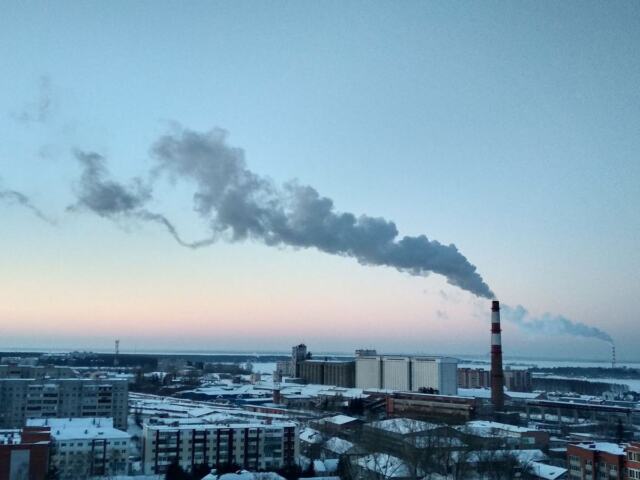
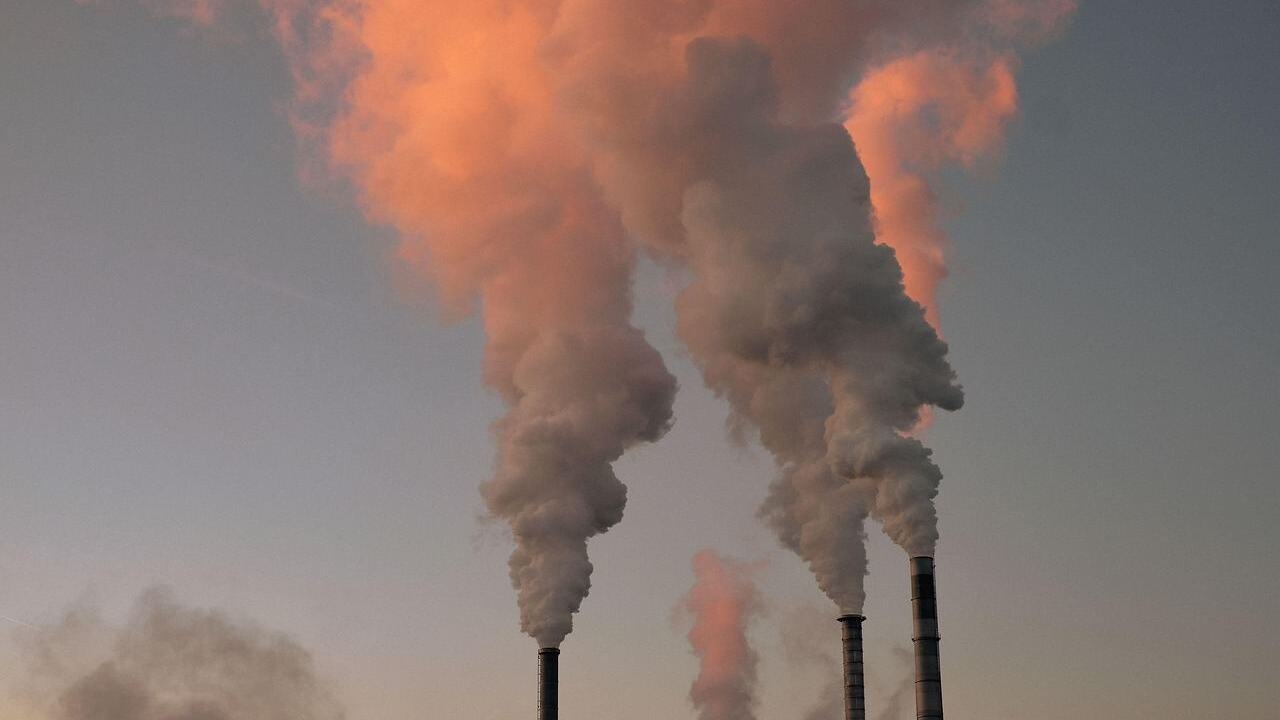
Trying to make sense of your carbon footprint? It is a calculated total of the greenhouse gases an activity, product, company or country adds to the atmosphere, usually shown in tonnes of CO2-equivalent.
A carbon footprint is one practical way to understand climate change, and this guide explains how it is defined and measured.
| Item | Value |
|---|---|
| Common reporting unit | Tonnes of CO2-equivalent per unit of comparison |
| Gases covered by the Greenhouse Gas Protocol standard | Seven greenhouse gases |
| Time scale for comparing gases | 100 years (GWP100) |
| Emission categories for organizations | Scope 1, 2 and 3 |
| IPCC definition of carbon footprint, 2022 | Carbon dioxide only |
| Year of the BP-funded campaign that popularized the term | 2005 |
These figures come from the Wikipedia article on the carbon footprint. Definitions and standards can change, so check the source before you rely on them.
What a carbon footprint actually measures
A carbon footprint, also called a greenhouse gas footprint, is a calculated value that lets you compare the total greenhouse gases that an activity, product, company or country adds to the atmosphere, as described in the Wikipedia article. The point is comparison: very different things are turned into one common yardstick.
Because it is a comparison tool, the method you use depends on what you want to measure. The same idea is applied to:
- an individual person
- a product
- an organization
- a whole country
Footprints are usually reported as tonnes of CO2-equivalent per unit of comparison, according to the same source. That unit can be per year, per kilogram of protein, per kilometre travelled or per piece of clothing.
A product’s footprint covers the emissions for its entire life cycle. That runs from production along the supply chain to final consumption and disposal.
If you want the science behind why these numbers matter, our overview of the evidence of climate change is a useful companion read.
Which gases count toward a carbon footprint?
Despite the name, a carbon footprint often covers more than carbon dioxide. It sums up all the greenhouse gases and expresses them as carbon dioxide equivalent, so a gas that traps heat differently can still be added to the same total.
To make that comparison fair, scientists use a relevant time scale such as 100 years. A formal definition in the source says the result is calculated using the 100-year global warming potential, known as GWP100.
The Greenhouse Gas Protocol standard covers seven greenhouse gases that are also covered by the Kyoto Protocol, according to the Wikipedia article:
- carbon dioxide
- methane
- nitrous oxide
- hydrofluorocarbons
- perfluorocarbons
- sulfur hexafluoride
- nitrogen trifluoride
Not every definition is this broad. In some definitions only carbon dioxide emissions are counted, and the IPCC definition of 2022 as cited in the source covers only carbon dioxide.
That is why some organizations prefer the terms greenhouse gas footprint or climate footprint. They want to signal that all greenhouse gases are included, not just carbon dioxide.
The three scopes organizations use
For organizations, it is common practice to use the Greenhouse Gas Protocol. It calls the direct and indirect emissions a company causes Scope 1, 2 and 3 emissions, as the Wikipedia article explains.
The three categories are labelled in the source as follows:
- Direct carbon emissions (Scope 1)
- Indirect carbon emissions (Scope 2)
- Other indirect carbon emissions (Scope 3)
The split matters because an organization’s footprint includes both the direct and the indirect emissions it causes. Looking only at direct emissions would leave out much of the picture.
The source adds that comprehensive reporting that includes Scope 3 emissions deals with gaps in current systems. In practice, that means a footprint is more useful when it follows the supply chain rather than stopping at the organization’s own gate.
How countries and products are measured
Countries face a choice between two accounting approaches. National greenhouse gas inventories prepared for the UNFCCC list only emissions from activities inside the country itself, which is called territorial-based accounting or production-based accounting.
That approach does not take into account goods and services imported on behalf of residents. Countries’ inventories for the UNFCCC also do not include international transport, according to the Wikipedia article.

For a country’s carbon footprint in a given year, it is common to use consumption-based accounting. This does reflect emissions from goods and services imported from other countries, so the source describes it as more comprehensive.
Consumption-based accounting uses input-output analysis backed by super-computing, which makes it possible to analyze global supply chains. It looks at the final demand for emissions, meaning where the goods and services are actually consumed.
For a single product, the same logic applies at a smaller scale. A product’s footprint can help you choose between options if you want to be climate aware, because it counts every stage of its life cycle.
Limits and criticisms of the carbon footprint
A footprint is a useful number, but it is not a neutral one. Different boundaries give different answers, so two footprints for the same thing may not be comparable unless you know what each one includes.
The clearest examples are the ones above:
- a definition that counts only carbon dioxide versus one that counts several gases
- territorial accounting versus consumption-based accounting
- an organization’s footprint with or without Scope 3 emissions
There is also a debate about who carries responsibility. The Wikipedia article reports that the term was popularized through a 2005 marketing campaign funded by BP, whose purpose was to tie responsibility for carbon emissions more strictly to individual consumers (source).
That history is a reminder to treat a footprint as a comparison tool, not a verdict on any one person. If you want to go beyond emissions accounting, our explainer on climate tipping points looks at the wider climate system.
Frequently asked questions
Is a carbon footprint the same as a greenhouse gas footprint?
Show answer
In most uses, yes. The Wikipedia article says some organizations use the terms greenhouse gas footprint or climate footprint to emphasize that all greenhouse gases are included, not just carbon dioxide.
Does a carbon footprint only count carbon dioxide?
Show answer
It depends on the definition. Some definitions count only carbon dioxide, and the IPCC definition of 2022 cited in the source does so, while the more common approach includes several greenhouse gases.
What are Scope 1, 2 and 3 emissions?
Show answer
They are the categories the Greenhouse Gas Protocol uses for an organization’s emissions: direct emissions (Scope 1), indirect emissions (Scope 2) and other indirect emissions (Scope 3), as listed in the Wikipedia article.
Why do country footprints differ between methods?
Show answer
National inventories count only emissions from activities in the country itself. Consumption-based accounting also reflects emissions from imported goods and services, according to the source, so the totals can differ.