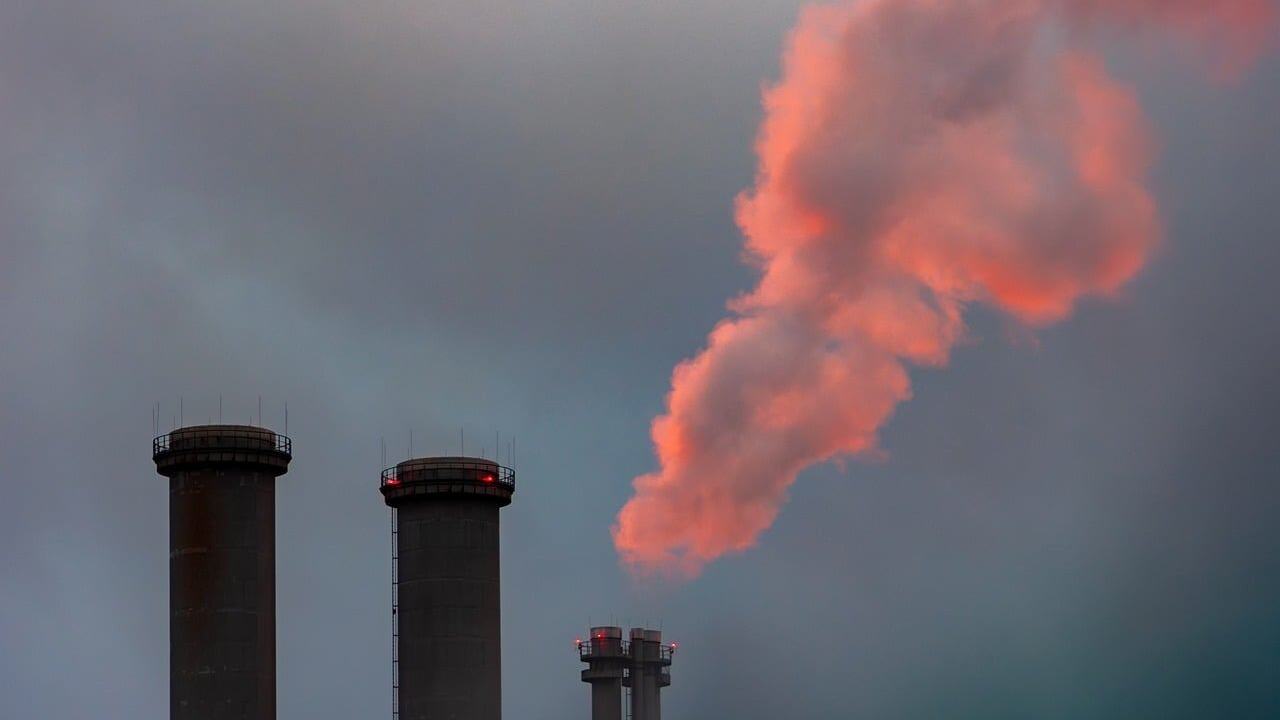
Trying to make sense of a carbon tax? Here is the carbon tax explained in one line: governments set a tax rate on greenhouse gas emissions, so polluters pay for damage the public used to absorb.
You can follow wider policy and science stories in our climate news section.
| Item | Value |
|---|---|
| Carbon pricing revenue in 2024 | More than $100 billion |
| Carbon pricing instruments in operation worldwide | 80 |
| Share of global greenhouse gas emissions covered by a carbon price | Around 28% |
| Share of global economic output in covered economies | Nearly two-thirds |
| Share of 2024 revenue earmarked for environment, infrastructure and development | Over half |
These figures come from the World Bank’s June 2025 press release and a summary of the same report. Carbon pricing data change from year to year, so check the source before you rely on them.
How a carbon tax works
A carbon tax explicitly prices carbon by defining a tax rate on greenhouse gas emissions or the carbon content of fossil fuels. Governments can levy this fee on companies for the emissions they cause, as Outlook Business explains.
The aim is to make companies pay for the hidden costs of emissions. These are external costs that the public pays for, such as:
- damage to crops;
- healthcare costs from heat waves and droughts;
- loss of property from flooding and sea level rise.
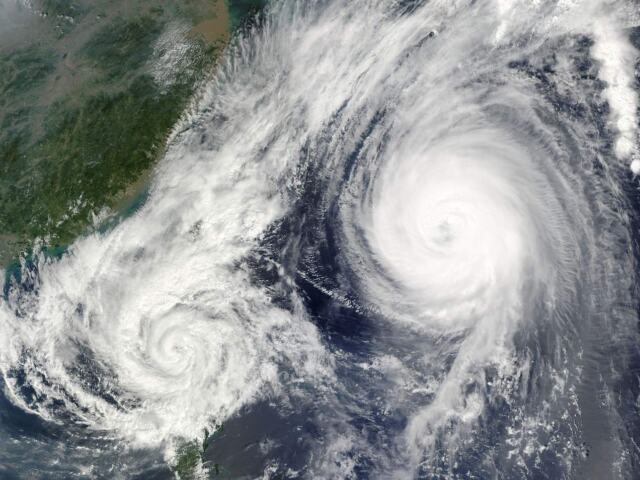
Carbon pricing shifts that responsibility to the polluters. To see how this kind of damage plays out on the ground, read about extreme weather events.
Because a tax comes with a stated rate, a business can weigh what it would pay on its emissions against what it would cost to cut them. World Bank Senior Managing Director Axel van Trotsenburg says carbon pricing helps countries cut emissions, raise domestic revenues in tight fiscal environments, and stimulate green growth and job creation, according to the World Bank.
Carbon tax, emissions trading and crediting compared
A carbon tax is one of three types of carbon pricing instrument covered in the World Bank’s State and Trends of Carbon Pricing 2025 report, as Outlook Business reports. The three are:
- Carbon taxes, which set a tax rate on emissions or on the carbon content of fossil fuels.
- Emissions trading systems (ETSs), which cap emissions and let companies trade emission units.
- Carbon crediting mechanisms, which trade credits earned by reducing or removing emissions.
The practical difference is what the government fixes. Under a tax, it fixes the rate. Under an emissions trading system, it sets a limit, or cap, on the amount or intensity of emissions, and companies that cut their own emissions can sell units to other emitters.
Crediting works differently again. Each credit represents 1 tonne of carbon equivalent and comes from activities that reduce emissions, such as capturing methane from landfills, or remove them, such as sequestering carbon through afforestation. Companies can then buy these credits to offset their own emissions.
The World Bank’s press release says demand from compliance markets almost tripled compared to the year before, while growth from voluntary buyers was negligible. If you want to see how credits are bought and sold, our guide to carbon markets covers the mechanics.
Where the revenue goes
Carbon pricing revenues exceeded $100 billion in 2024, according to the World Bank. Over half of that money was earmarked for environment, infrastructure and development projects, a slight increase from previous years.
The 2024 total was a slight drop from 2023, when revenue reached $104 billion. Outlook Business attributes the dip to lower prices in large ETSs like the EU and UK, and notes the 2024 figure is over three times higher than a decade ago in real terms.
That revenue is part of the appeal for governments. The World Bank says carbon pricing is seen not only as a way to cut emissions but also as a source of money for budgets under pressure, and its report notes the funds help support low-carbon growth, particularly in developing economies.
How widely carbon pricing has spread
As of the World Bank’s June 2025 report, there were 80 carbon pricing instruments in operation worldwide, a net increase of five over the previous year. Outlook Business puts the long-run change at 5 in 2005 to 80.
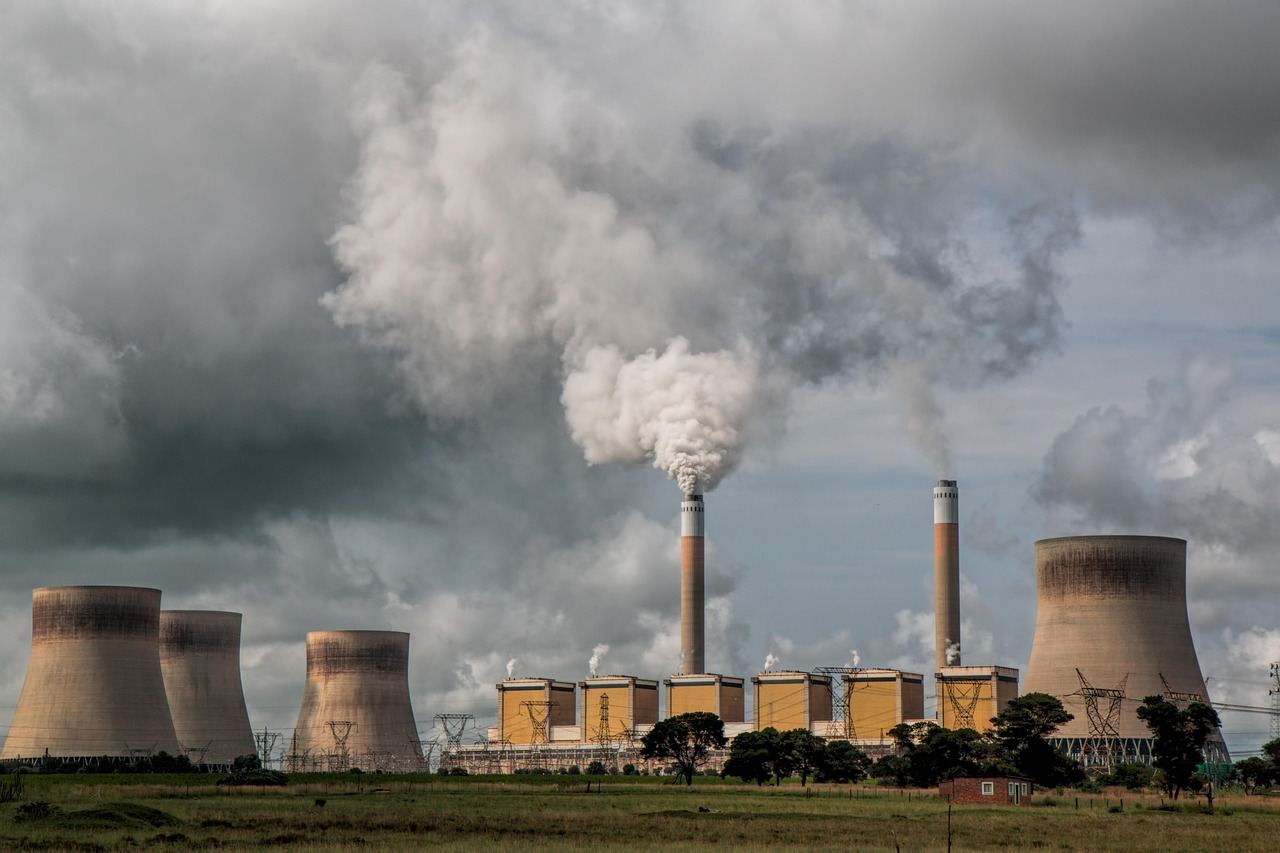
Around 28% of global greenhouse gas emissions were covered by a carbon price in that report, in economies representing nearly two-thirds of global economic output. Coverage is uneven across the economy:
- around half of global emissions from the power and industrial sectors are priced;
- coverage in other sectors is lower;
- agricultural emissions were not yet priced.
Change has been steady rather than sudden. The World Bank, which has published its State and Trends report since 2003, says annual changes in carbon prices have been incremental. Over the past decade, though, average prices have nearly doubled, coverage of emissions has grown from 12% to 28%, and revenue has tripled, as the press release sets out.
The spread is widest in middle-income economies. All large middle-income economies have either implemented or are considering direct carbon pricing, and ETSs account for most of the new and planned instruments. Outlook Business adds that India, Brazil and Turkey are actively developing their own tools.
What a carbon price leaves out
A carbon tax is not a complete climate policy on its own. The coverage figures above show that large parts of the economy, farming most clearly, sit outside any carbon price as of the World Bank’s June 2025 report.
Revenue also moves with prices. When prices in large ETSs fell, total revenue dipped even though the number of instruments grew, so a price-based budget line can shrink without any change in policy.
Credit prices add another wrinkle. The World Bank says they vary across credit types, with nature-based removal credits attracting a premium relative to other types of projects.
When you read a headline about a new carbon tax, a few questions help you judge it:
- Which emissions does the tax actually cover?
- What is the rate, and is it set to change over time?
- Where does the revenue go?
- Does it sit alongside a trading system or crediting scheme?
Frequently asked questions
What is a carbon tax in simple terms?
Show answer
It is a fee set as a tax rate on greenhouse gas emissions or on the carbon content of fossil fuels. Companies pay it on the emissions they cause, which puts a price on costs the public used to bear.
How is a carbon tax different from an emissions trading system?
Show answer
A carbon tax sets the rate, while an ETS sets a cap on emissions and lets companies trade emission units to meet their targets. Both are counted as carbon pricing in the World Bank’s report.
How much money does carbon pricing raise?
Show answer
Revenues exceeded $100 billion in 2024, according to the World Bank’s June 2025 report. Over half was earmarked for environment, infrastructure and development projects.
Do carbon prices cover all emissions?
Show answer
No. As of the World Bank’s June 2025 report, around 28% of global greenhouse gas emissions were covered, and agricultural emissions were not yet priced.