Wondering whether the storms, heatwaves and floods you see are linked to climate change? Yes: extreme weather events are becoming more frequent or intense, and the IPCC says human influence is already a driver.
For wider coverage, follow our latest climate news.
| Item | Value |
|---|---|
| Global warming over the last decade, compared with 1850-1900 | Around 1.1 °C |
| Marine heatwave frequency since the 1980s | Approximately doubled |
| Intensification of extreme daily rainfall per 1 °C of warming | About 7% |
| Fewer people frequently exposed to extreme heatwaves at 1.5 °C instead of 2 °C | Around 420 million |
| Share of weather-related deaths in Europe, 1970-2019, from two heatwaves | 80 percent |
The figures come from the WMO summary of regional trends in the IPCC report and the WMO page on climate change and extreme weather, last updated 31 March 2023. Figures can change as assessments are revised, so check the source before you rely on them.
Can scientists link a single storm to climate change?
In many cases they can, using a method called event attribution. According to a review in Environmental Research: Climate, it is the method through which the role of climate change in an individual event can be assessed and quantified.
The background matters. Over the last decade, global surface temperature has risen by around 1.1 °C above the 1850-1900 level, and the IPCC states that it is now unequivocal that human influence has warmed the climate system, as the WMO summary explains.
The field has grown quickly. The same review notes that over the past two decades, more than 350 studies have been published on extreme event attribution.
Coverage is uneven, though. A few events, such as Hurricane Harvey, which hit Texas in 2017, have been heavily studied, while many highly impactful events in the developing world have not, partly because of missing observational data and scientific capacity, according to the WMO summary.
Heatwaves and marine heatwaves
Heat is where the evidence is clearest. Hot extremes have become more frequent and more intense across most land regions since the 1950s, while cold extremes have become less frequent and less severe, as the WMO summary of the IPCC report sets out.
The oceans are heating up too. Marine heatwaves have approximately doubled in frequency since the 1980s, according to the same summary.
The human cost can be large. Two extreme heatwaves, in 2003 in western Europe and in 2010 in the Russian Federation, accounted for 80 percent of weather-related deaths in Europe from 1970-2019, says the WMO. Lessons from the 2003 event helped usher in heat-health early warnings and action plans.
Counting these deaths is hard. The attribution review finds that tens of thousands of deaths are directly attributable to heat extremes, and that this is likely a significant underestimate because impact information is limited in lower- and middle-income countries, according to the review.
Heavy rain, floods and compound events
A warmer atmosphere holds more moisture, so heavy rainfall is intensifying. The frequency and intensity of heavy precipitation events have increased since the 1950s over most land areas with enough data for trend analysis, as the WMO summary reports.
The WMO adds that extreme daily precipitation events are projected to intensify by about 7% for each 1°C of global warming. It points to many cases of a month or more of rainfall arriving in hours or days, with deadly flooding.
Hazards can also stack up. Compound events combine several drivers at once, and the WMO describes these examples:
- Compound flooding, where storm surge, extreme rainfall and/or river flow combine, has become more probable in some locations.
- Sea level rise and more intense precipitation are expected to push that probability higher.
- Concurrent heatwaves and droughts are likely to become more frequent, with an associated risk of wildfires.
Droughts and tropical cyclones
Here the picture is more mixed. Human-induced climate change has contributed to increases in agricultural and ecological droughts in drying regions, because land evapotranspiration has increased, according to the WMO summary. The attribution review, however, cautions that severe droughts in many parts of the world are not attributable to climate change.
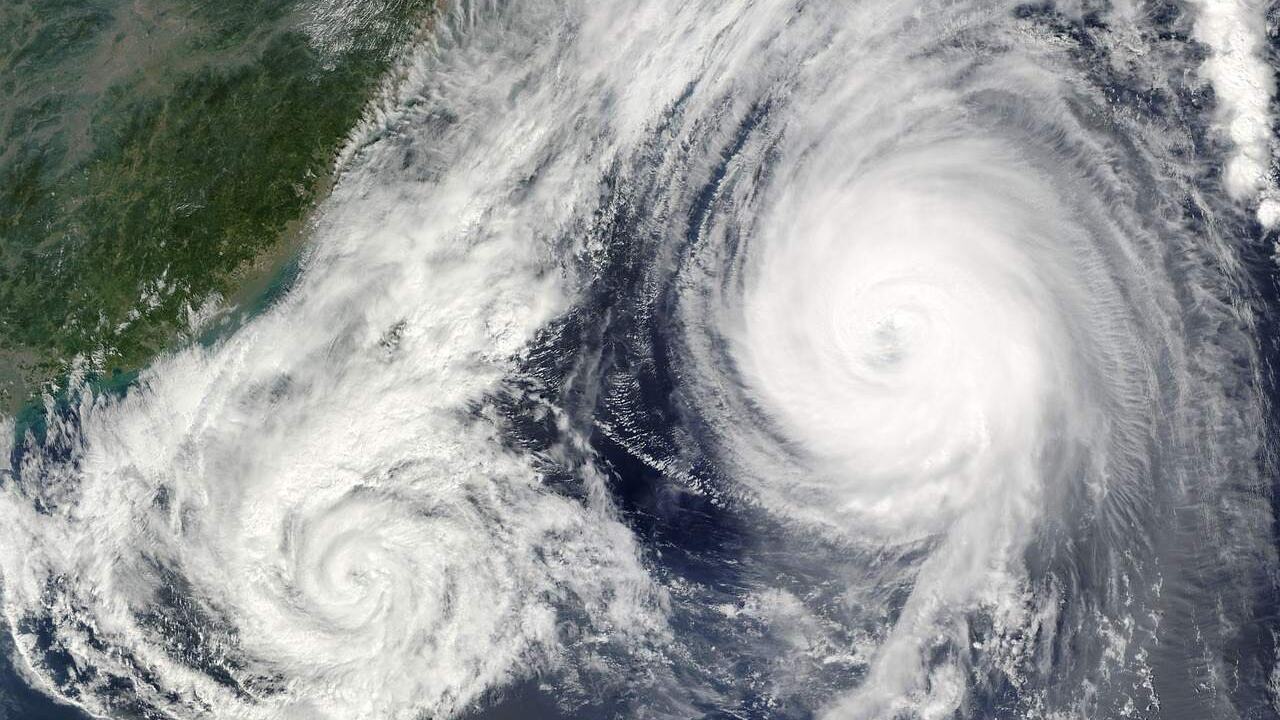
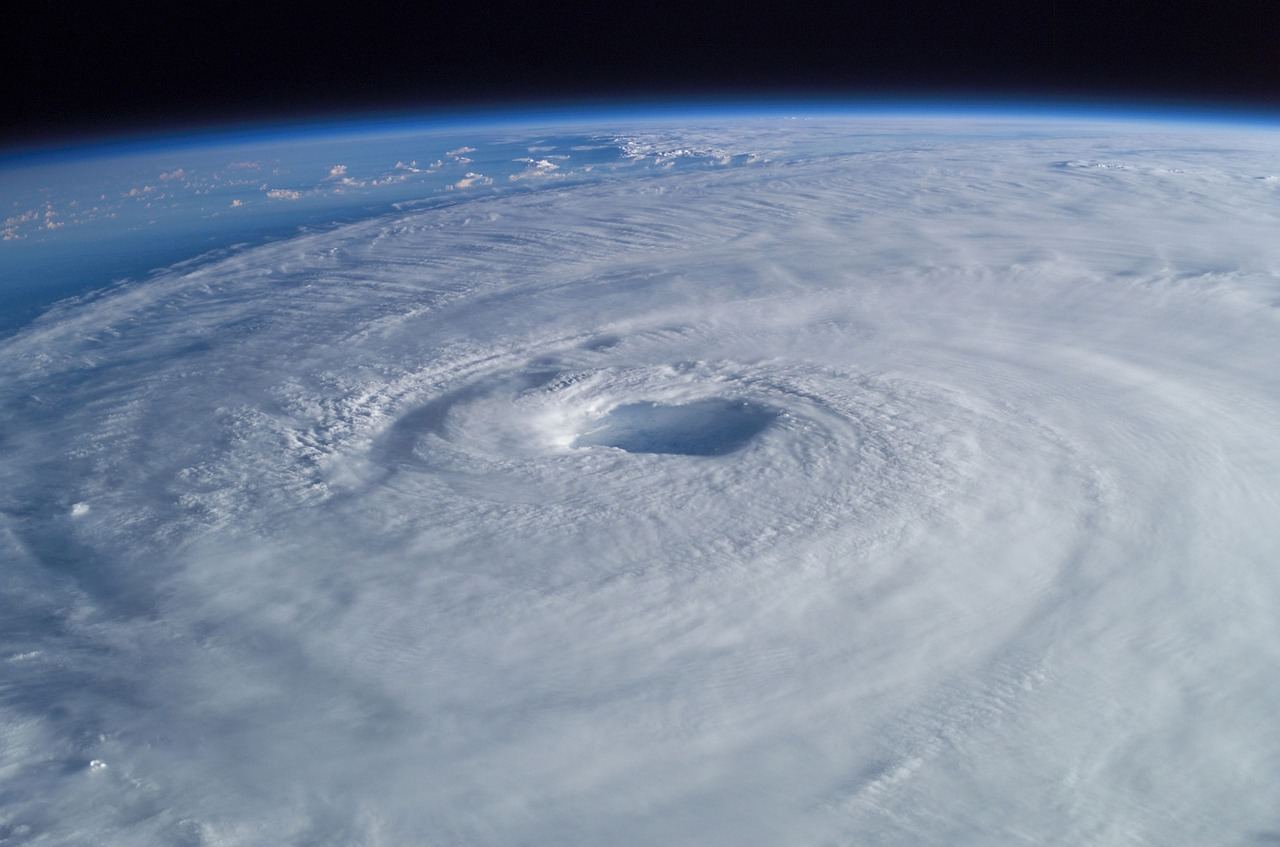
For tropical cyclones, the evidence differs by what you measure. The WMO summary separates firmer findings from weaker ones:
- Firmer: it is likely that the global proportion of major (Category 3-5) cyclone occurrence has increased over the last four decades.
- Firmer: the proportion of the most intense cyclones (categories 4-5) is expected to rise with further warming, according to the WMO.
- Weaker: confidence in long-term trends in the frequency of all-category cyclones is low.
Costs can be high. In the North Atlantic basin, climate change amplified the rainfall of events that, combined, caused half a trillion USD in damages, according to the attribution review.
How extreme weather could change with limits on warming
The WMO page on climate change and extreme weather puts it plainly: every bit of warming matters. Projected changes in extremes grow larger in frequency and intensity with each additional increment of global warming, as the WMO summary notes.
That framing is useful because it removes the idea of a single cliff edge. Each step up or down the temperature scale shifts the odds of the hazards covered above, from heat to heavy rain, so smaller increases still bring smaller risks.
The WMO gives one example: limiting warming to 1.5°C instead of 2°C could mean around 420 million fewer people frequently exposed to extreme heatwaves. The same page describes heat-health early warnings and action plans as a response that grew out of lessons from the 2003 heatwave.
Two kinds of response therefore sit side by side:
- Cutting emissions, to slow the rise in global temperature and limit how much further extremes intensify.
- Preparing for the changes already under way, for example with early warning systems and action plans for heat.
- Improving the evidence, since the attribution review calls for better recording of extreme weather impacts and wider coverage of attribution studies across events and regions.
If you want to see how countries try to turn the first of those into policy, read about net zero targets. You can also compare one pricing tool in carbon tax explained.
Neither route removes risk that is already locked in, and the research is still catching up. As the studies above show, the clearest links are for heat and heavy rain, while drought and cyclone frequency trends rest on weaker evidence, so expect the picture to be refined as more events are studied.
Frequently asked questions
Is every extreme weather event caused by climate change?
Show answer
No. Attribution separates human-driven effects from natural variability for each event. Some severe droughts, the same review says, cannot be attributed to climate change.
Which types of extreme events have the strongest evidence?
Show answer
The WMO summary says evidence has strengthened since the previous IPCC assessment for heatwaves, extreme precipitation events, droughts, tropical cyclones, marine heatwaves, extreme sea levels and compound extremes.
Why are some regions studied more than others?
Show answer
Attribution studies are generally lacking in the developing world because of missing observational data, reliable climate models and scientific capacity. This means results may be subject to selection bias, according to the WMO summary.
How much has the world warmed so far?
Show answer
Over the last decade, global surface temperature has been around 1.1 °C above the 1850-1900 level, according to the WMO summary of the IPCC report published in 2021.