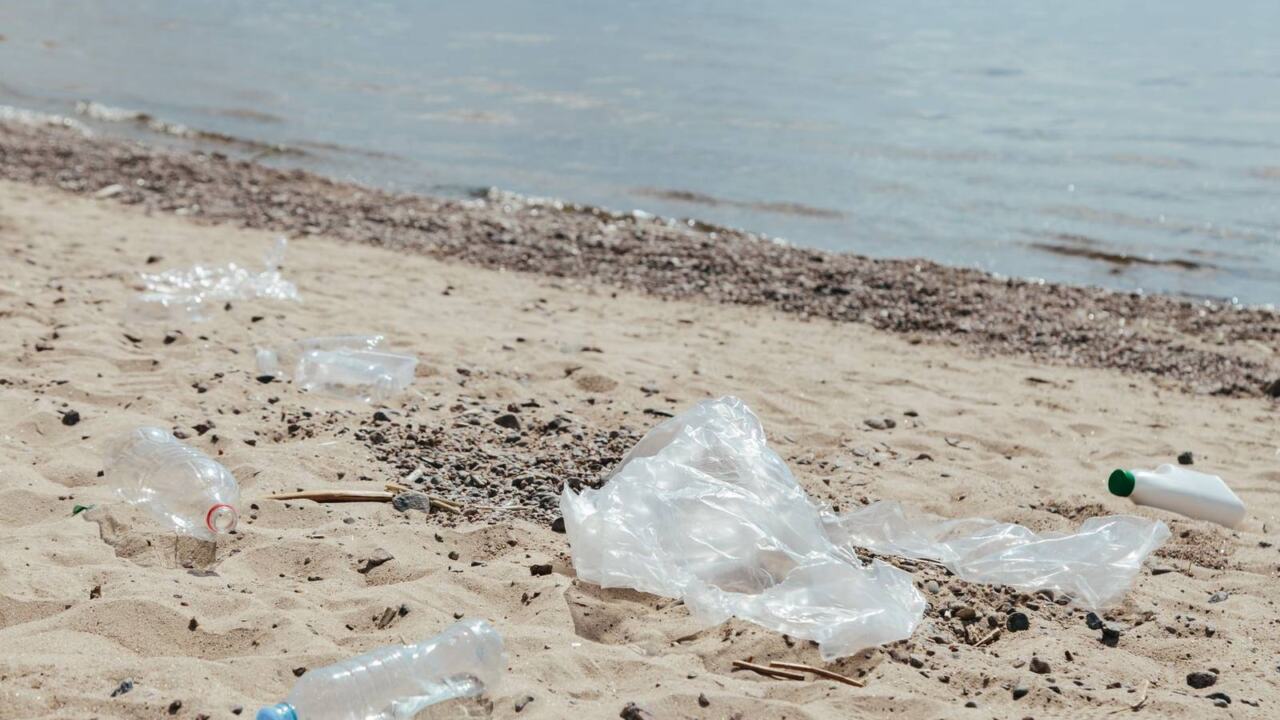
Worried about what plastic does to the sea? The main plastic pollution effects are animals swallowing or tangling in debris, microplastics spreading far, and toxic pollutants entering food webs.
This guide is one of the site’s pieces on environmental issues, and it focuses on what plastic does once it reaches the ocean.
| Item | Value |
|---|---|
| Size of microplastic particles | Smaller than 1 to 5 mm |
| Marine species affected by ingestion, suffocation and entanglement | Hundreds |
| Most abundant items of marine litter (as of the 2015 report) | Floating plastics |
| How microplastics travel | Over long distances by wind-driven ocean surface layer circulation |
| Date of the IUCN situation analysis | 22 Jul 2015 |
These figures come from the IUCN’s “Plastic Debris in the Ocean” story, published in July 2015. The science moves on and numbers can change, so check the source before you rely on them.
What the IUCN analysis says about marine plastic
The International Union for Conservation of Nature (IUCN) published a situation analysis report on marine plastics and their environmental impacts. In its 22 July 2015 summary, the IUCN described plastic debris as the most serious problem affecting the marine environment. That wording is the organisation’s own, and it is tied to that date.
The IUCN did not frame this as a problem only for one type of place. It pointed to two overlapping situations:
- Coastal areas of developing countries that lack appropriate waste management infrastructures.
- The world’s oceans as a whole, because slowly degrading large plastic items break down into smaller particles that travel.
That second point matters for you as a reader. It means a bottle or a bag lost in one place does not stay where it was dropped, and the harm is not limited to the shoreline where it ends up.
How do microplastics form and travel?
Large plastic items rarely vanish. According to the IUCN’s 2015 analysis, slowly degrading large items generate microplastic, which it defines as particles smaller than 1 to 5 mm. Those particles then spread over long distances by wind-driven ocean surface layer circulation.
This travel is why the debris also builds up in remote places. The IUCN described the accumulation of plastics in coastal and remote areas of oceans, including in what it called trash vortexes or gyres.
Floating plastics were, in the words of the 2015 report, the most abundant items of marine litter at that time. Because they float, they stay in the surface layer where the wind and currents move them around.
Harm to wildlife: ingestion, suffocation and entanglement
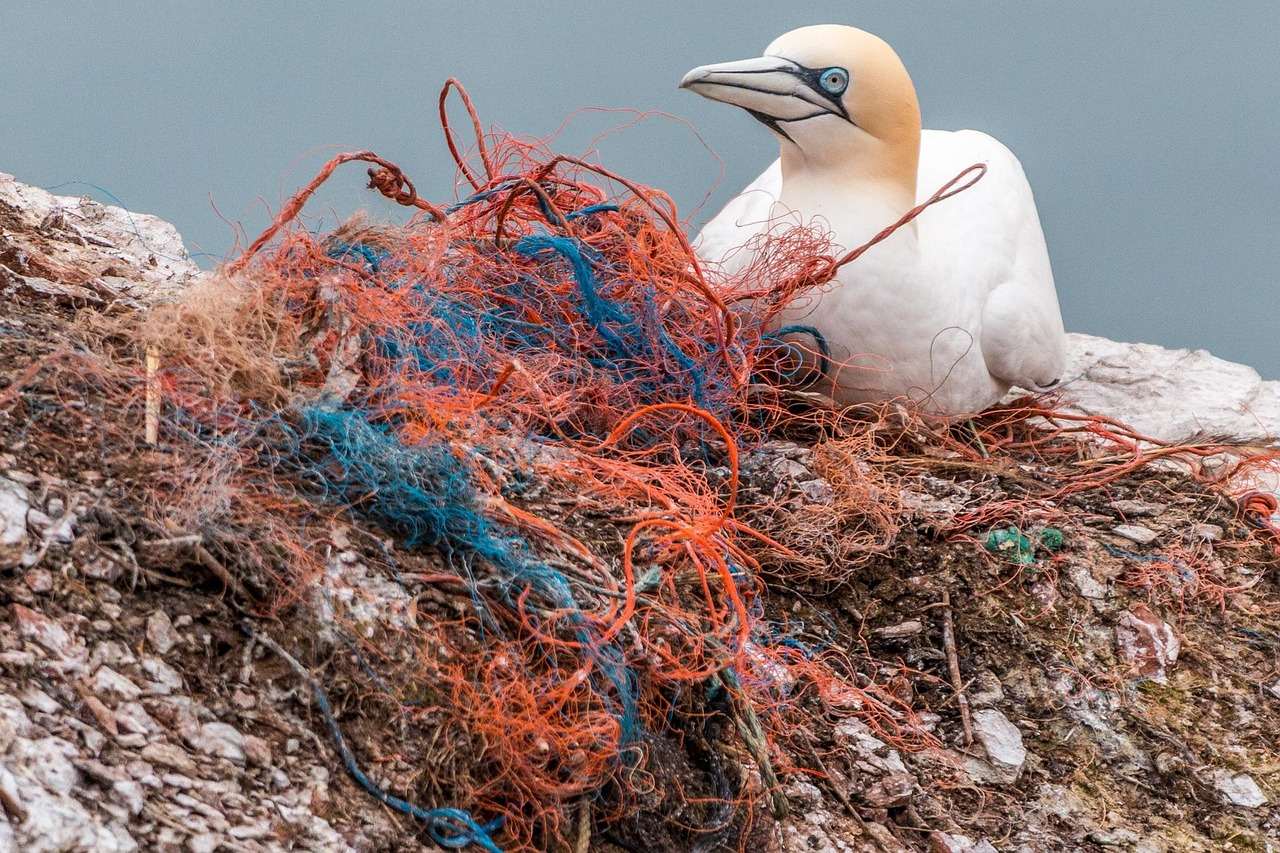
The IUCN called the most visible and disturbing impact of marine plastic pollution the ingestion, suffocation and entanglement of hundreds of marine species. It did not give a species list in the summary, so the safest reading is simply that the problem is wide, not confined to one or two animals.
These are three different ways plastic can hurt an animal:
- Ingestion: an animal swallows plastic that it cannot use as food.
- Suffocation: plastic blocks or covers something an animal needs to breathe or feed.
- Entanglement: an animal becomes caught in debris and cannot move or feed normally.
The IUCN also noted that growing scientific and public awareness is fuelling global concern about the impact of plastic ingested by marine species. In other words, the worry comes from both researchers and ordinary people who see the debris for themselves.
Toxic pollutants and invasive species on floating plastic
Plastic can do harm even when no animal swallows it. The IUCN explained that floating particles accumulate toxic pollutants on their surface during their long residence time in polluted seawater. They can therefore act as a concentrated source of pollution, or as a vector for toxic pollutants that build up in food webs through bio-accumulation.
Floating plastic can also carry living things. The IUCN said it contributes considerably to the transport of non-indigenous (alien) marine species, which threatens marine biodiversity and the food web.
Put together, the report describes three routes of harm beyond direct injury:
- Plastic as a surface that collects toxic pollutants from polluted seawater.
- Plastic as a carrier that moves those pollutants into food webs.
- Plastic as a raft that helps alien species reach new areas.
Pollution seldom stays in one medium. If you want a parallel from the air, the causes of air pollution show how emissions can also travel far from where they begin.
Costs for coastal communities and gaps in knowledge
Plastic has a money cost as well as an ecological one. The IUCN stated that regular cleaning by municipalities and public authorities to keep beaches attractive to tourists engenders major economic costs.
The report was also frank about what was not yet known. It said there is still a lack of precise knowledge about the quantity, sources, transport, accumulation and fate of plastics in the oceans. That is a reason to treat any single headline figure with care.
One notable detail is where much of the information comes from. According to the IUCN, private and public initiatives such as volunteer beach cleanups and campaigns for removing beach debris represent the major source of information about the amounts and types of marine litter.
What this means for you
Nothing in the IUCN summary is a to-do list, so it is worth being careful about what can be said. What the source does support is that volunteer cleanups are a real source of data on marine litter, and that the problem is tied to waste management on land.
A few sensible ways to use this information:
- Treat claims about ocean plastic with some caution, since the IUCN itself flagged gaps in knowledge.
- If you join a local beach cleanup, you add to the kind of information the report relied on.
- Look at how waste is handled in your own area, because the IUCN linked the problem to places that lack appropriate waste management infrastructures.
Plastic is one thread in a larger picture of human impact on nature. For a different side of the climate story, you can read about the types of renewable energy.
Frequently asked questions
What are microplastics?
Show answer
In the IUCN’s 2015 analysis, microplastics are particles smaller than 1 to 5 mm that form as slowly degrading large plastic items break down. They spread over long distances by wind-driven ocean surface layer circulation.
How many species are harmed by marine plastic?
Show answer
The IUCN reported that ingestion, suffocation and entanglement affect hundreds of marine species. It did not give an exact count in its 2015 summary.
Do scientists know exactly how much plastic is in the ocean?
Show answer
Not according to the IUCN’s July 2015 analysis, which said there is still a lack of precise knowledge about the quantity, sources, transport, accumulation and fate of plastics in the oceans. Newer research may have improved on this, so check recent sources.
Can plastic harm the food web without being eaten?
Show answer
Yes, according to the IUCN. Floating particles accumulate toxic pollutants on their surface and can serve as a vector for those pollutants in food webs, and they can also help transport alien marine species.