Wondering why species keep vanishing? Biodiversity loss comes from human pressure: land change, exploitation, pollution and climate change. Here is what the evidence shows, and what helps you act.
For the wider context, read our guide to environmental issues.
| Item | Value |
|---|---|
| Species threatened with extinction (average across assessed vertebrate and plant groups) | About a quarter |
| Fall in average abundance of native species in most major land habitats since 1900 | At least 20% |
| Decline in natural ecosystems, relative to their earliest estimated states | 47% on average |
| Vertebrate species driven to extinction since the 16th century | At least 680 |
| Rise in marine pollution since 1980 | Tenfold |
| Wetlands lost so far | Over 85% |
The figures come from Earth.org’s summary of the 2019 IPBES assessment and from IUCN’s response to it. Figures can change as new assessments appear, so check the source before you rely on them.
What the evidence says about biodiversity loss
The most-cited overview is the 2019 IPBES Global Assessment. According to Earth.org, it was compiled by 145 experts over three years and looks at changes in biodiversity over the past five decades.
IUCN responded on 6 May 2019, the day the report appeared. It noted that the IUCN Red List, which assesses the extinction risk of nearly 100,000 species, was key in informing the assessment, as IUCN’s statement explains.
IUCN’s Chief Scientist, Dr Thomas Brooks, said that on average a quarter of species in the vertebrate and plant groups assessed on the Red List are threatened with extinction (IUCN, May 2019). The Earth.org summary adds that the average abundance of native species in most major land-based habitats has fallen by at least 20% since 1900.
The same summary reports that at least 680 vertebrate species had been driven to extinction since the 16th century. It also says natural ecosystems have declined by 47% on average relative to their earliest estimated states. Because these numbers come from the 2019 assessment, read them as a snapshot, not a live count.
The drivers behind disappearing species
The assessment separates direct and indirect drivers of change in nature, and Earth.org reports that they have accelerated during the past 50 years. The direct drivers it names are:
- changes in land
- direct exploitation of organisms
- pollution
- climate change
Behind those sit the indirect drivers, which are underpinned by societal values and behaviours. They include production and consumption patterns, human population dynamics and trends, trade, technological innovations, and governance from local to global level.
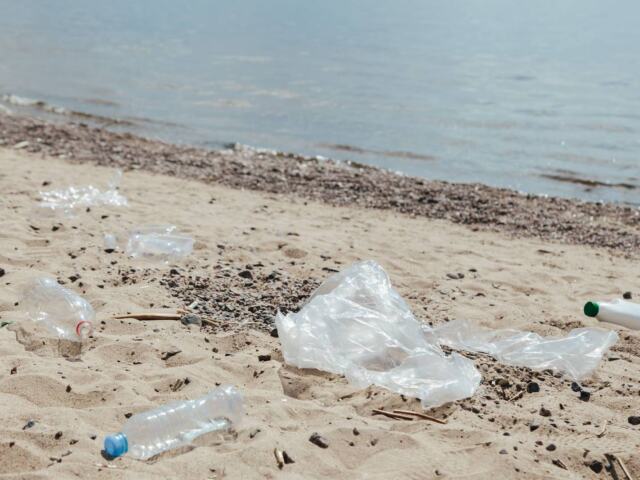
Pollution shows how fast a driver can grow. Marine pollution has increased tenfold since 1980, affecting at least 267 species, including 86% of marine turtles, 44% of seabirds and 43% of marine mammals, according to Earth.org.
Where the damage is greatest
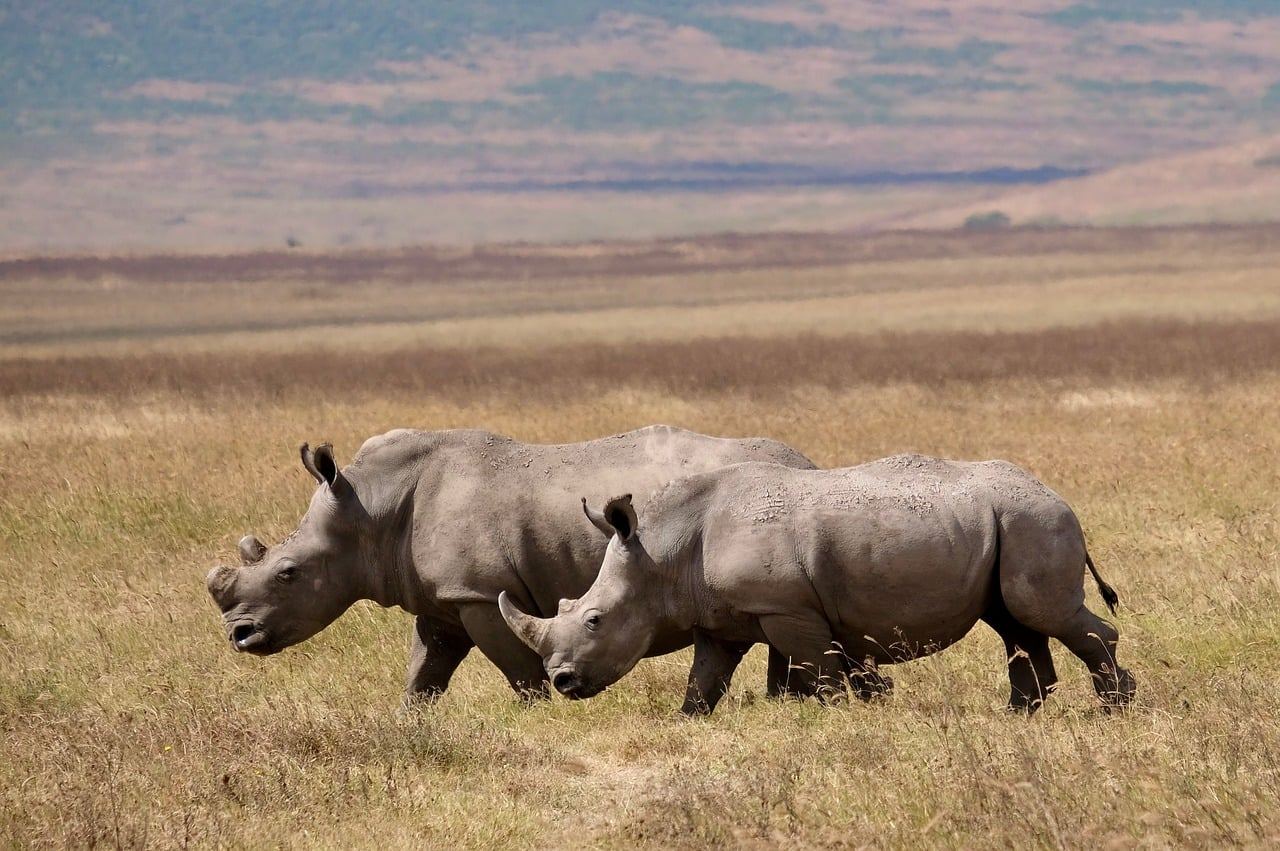
Pressure is not spread evenly. IUCN says threats vary across species groups, with corals declining faster than many other species. Areas in the tropics, on islands and in mountains face more severe biodiversity loss.
Earth.org’s summary of the assessment gives a sense of the scale on land, at sea and in fresh water:
- About 75% of the land surface is significantly altered.
- 66% of the ocean is experiencing increasing cumulative impacts.
- Approximately half the live coral cover on coral reefs has been lost since the 1870s.
- Over 85% of wetlands has been lost so far.
- Around 420 million hectares of forest were lost in the last three decades.
The forest figure is linked to land clearing for agricultural farming and logging, as Earth.org notes. Our guide to the causes of deforestation looks at that part of the story in more detail.
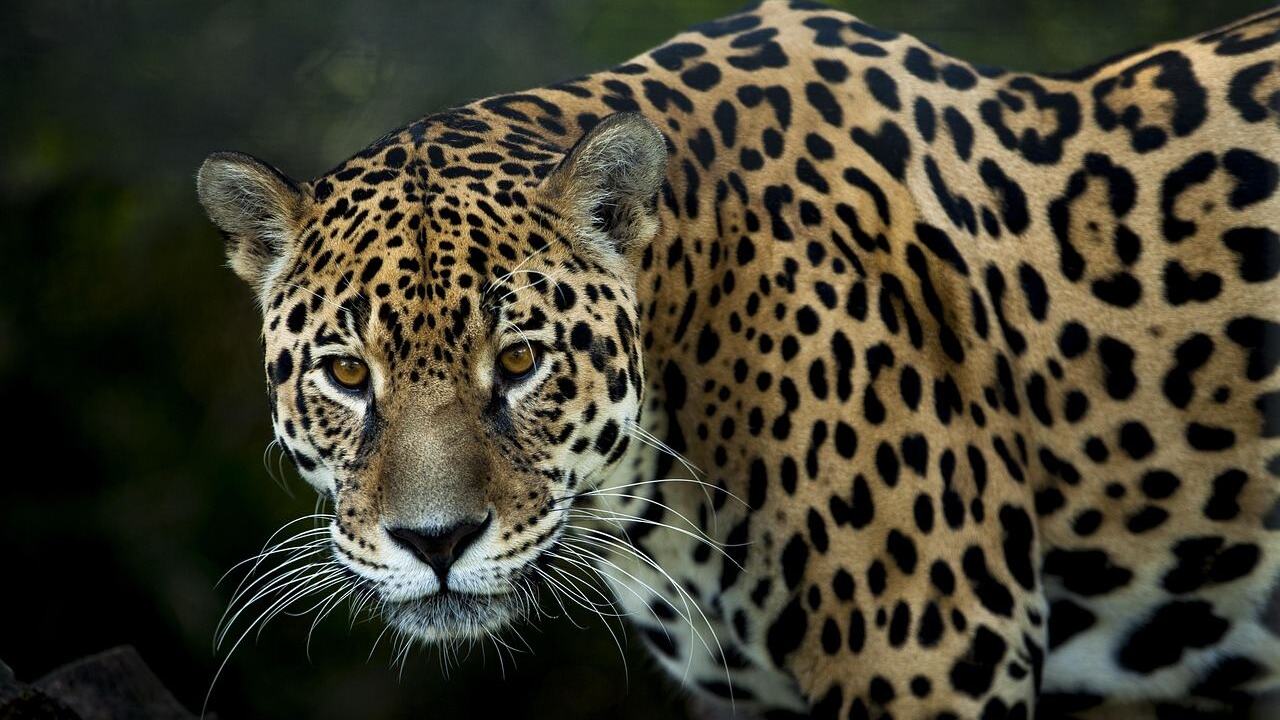
Among animals, the Earth.org summary of IUCN Red List data says more than 41,000 are threatened with extinction. That includes 41% of all amphibians, almost 33% of reef-forming corals, 27% of the world’s mammals and 13% of all known bird species.
Why it matters for people
The assessment counts the costs of biodiversity loss across 18 classes of ecosystem services, which the report describes as nature’s contributions to people. IUCN says these are weighed for their economic implications and also for their social, cultural and spiritual values.
People are part of the answer as well as the cause. IUCN highlighted that indigenous peoples manage or have tenure rights over about a quarter of the land’s surface, and welcomed the report’s acknowledgement of indigenous and local knowledge (IUCN, May 2019).
What helps slow the decline
The IPBES assessment also gives reasons for hope. As of IUCN’s May 2019 statement, it synthesises evidence on a wide variety of actions that governments and other sectors of society can take to halt the crisis.
- Protect key biodiversity areas, which IUCN says is crucial on land, within marine and freshwater ecosystems, and in cities.
- Control invasive species and set up protected areas. In the Seychelles, this increased the survival prospects of numerous species, such as the Seychelles magpie-robin.
- Recognise indigenous and local knowledge as a contribution to halting the decline.
IUCN’s Dr Carlo Rondinini said in May 2019 that it is not too late to act, but that doing so will require transformative changes across economic, policy and societal sectors (IUCN).
The stakes of delay show in the Aichi biodiversity targets, set by the UN Convention on Biological Diversity in 2011. Earth.org reports that the assessment found good progress towards only about 9% of them, while nearly 40% were still very far from being achieved (Earth.org).
Individual choices cannot replace policy, but consumption patterns are one of the indirect drivers the assessment names. Our sustainable living tips cover everyday habits that ease that pressure.
Frequently asked questions
What is biodiversity loss?
Show answer
It is the decline of living nature: species, their populations and the ecosystems they live in. IUCN describes the IPBES report as revealing the severity of the loss of living nature and its grave consequences for humans.
What causes species to disappear?
Show answer
The assessment, as summarised by Earth.org, lists changes in land, direct exploitation of organisms, pollution and climate change as direct drivers. Indirect drivers include production and consumption patterns, population trends, trade, technology and governance.
How many species are threatened?
Show answer
As of IUCN’s May 2019 statement, on average a quarter of species in the vertebrate and plant groups assessed on the Red List are threatened with extinction. The share differs by group, and the figure may have changed since, so check the source.
Is it too late to act?
Show answer
IUCN’s Dr Carlo Rondinini said in May 2019 that it is not too late to halt the loss of biodiversity and support its recovery. He added that this needs transformative changes across economic, policy and societal sectors.